
Repotting an olive tree at the right time can make a huge difference to how well it recovers, grows, and settles into its new soil. Olive trees are tough plants, but they still respond much better when repotting is timed properly.
Because indoor olive trees are generally quite forgiving, as long as you use a fast-draining soil mix, most olive trees will bounce back really quickly after repotting.
The Best Time of Year for Repotting Olive Trees
The ideal time to repot an olive tree is during spring, just as active growth begins again.
This is when:
- The tree naturally starts producing new roots
- Growth speeds up
- Temperatures become warmer
- Light levels increase
Repotting at this stage allows the olive tree to recover quickly and establish itself in the fresh soil before the slower winter months arrive.

Winter Repotting Can Cause Problems
During winter, indoor olive trees slow down their growing significantly. They use less water, grow fewer roots, and generally become far less active.

If the soil is disturbed during this period, the plant often struggles to recover quickly.
This can lead to:
- Prolonged stress
- Yellowing leaves
- Root rot
- Leaf drop
- Stalled growth
Cold temperatures combined with wet compost are especially risky for olive trees.
Sometimes emergency repotting is unavoidable if there’s root rot or severely compacted soil, but otherwise I always prefer waiting until spring.
Choosing the Right Pot Size
One of the biggest mistakes people make is moving olive trees into pots that are far too large.
Oversized pots hold excess moisture, which olive roots hate.
I usually only size up:
- 5–8 cm wider than the previous pot
- Slightly deeper if needed
This gives the roots room to expand without surrounding them with large amounts of wet soil.
Terracotta pots are often ideal because they dry faster and improve airflow around the root system.
Olive Trees Need Great Drainage
Olive trees naturally grow in dry Mediterranean climates, so heavy moisture-retentive composts can quickly create problems indoors.
The ideal olive tree soil should feel:
- Loose
- Airy
- Gritty
- Fast draining
Dense mixes with too much compost will stay wet for days.
Our expert mix:
- Gritty and sandy for a lovely open soil structure.
- Packed with biochar and volcanic rock dust.
- A Mediterranean boost from calcified seaweed.
- Clay pebbles and perlite for excellent drainage.
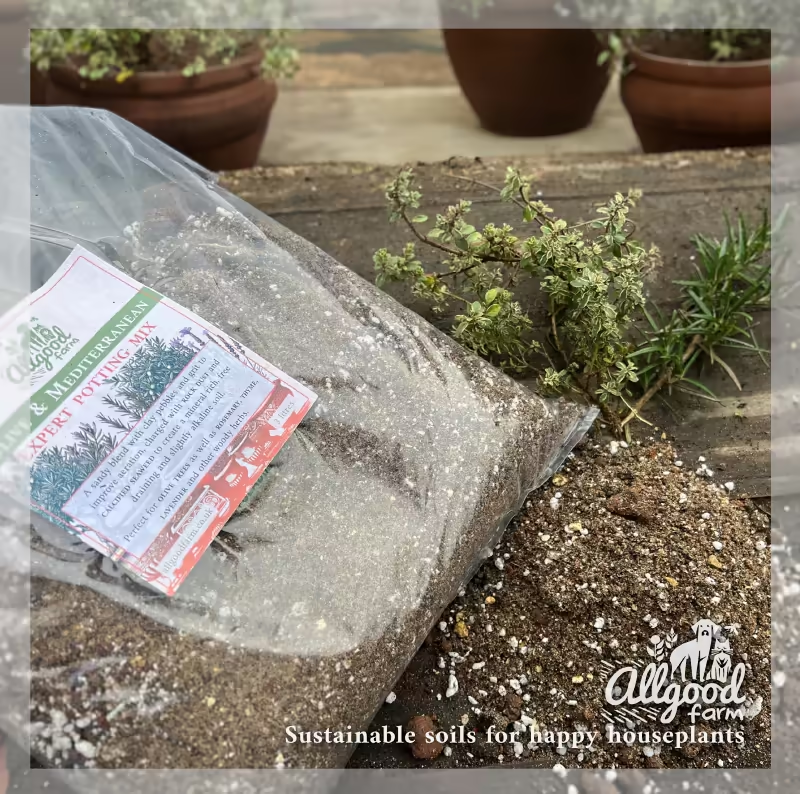
Healthy roots need both moisture and oxygen. Olive trees suffer when the soil becomes compacted and airless. Olive is one of our best soil mixes, perfectly balancing moisture, aeration, and nutrition to keep olive roots at their best.
What Happens After Repotting Olive?

It’s completely normal for an olive tree to take some time adjusting after being repotted.
You may notice:
- Slight drooping
- Slower growth for a few weeks
- Occasional yellow leaves
- Increased sensitivity to overwatering
This doesn’t necessarily mean something has gone wrong.
After repotting, I keep conditions as stable as possible:
- Bright light
- Careful watering
- No fertiliser immediately afterwards
- No sudden environmental changes
Usually, once the roots settle into the fresh soil, the tree begins putting out healthy new growth again.
Don’t Rush to Repot
One thing I’ve learned with olive trees is that they often prefer being slightly snug in their pots.
Repotting too frequently can actually slow them down and create unnecessary stress.
If the tree is:
- Growing well
- Stable
- Drying normally between waterings
- Producing healthy foliage
then it probably doesn’t need disturbing yet.
Sometimes the best thing you can do for an olive tree is simply leave it alone and let it grow. For a few easy steps to help with repotting, head over to our step-by-step repotting guide, or more tips and info on houseplant care, check out our other helpful guides.


Leave a Reply