
Category: Guides
-
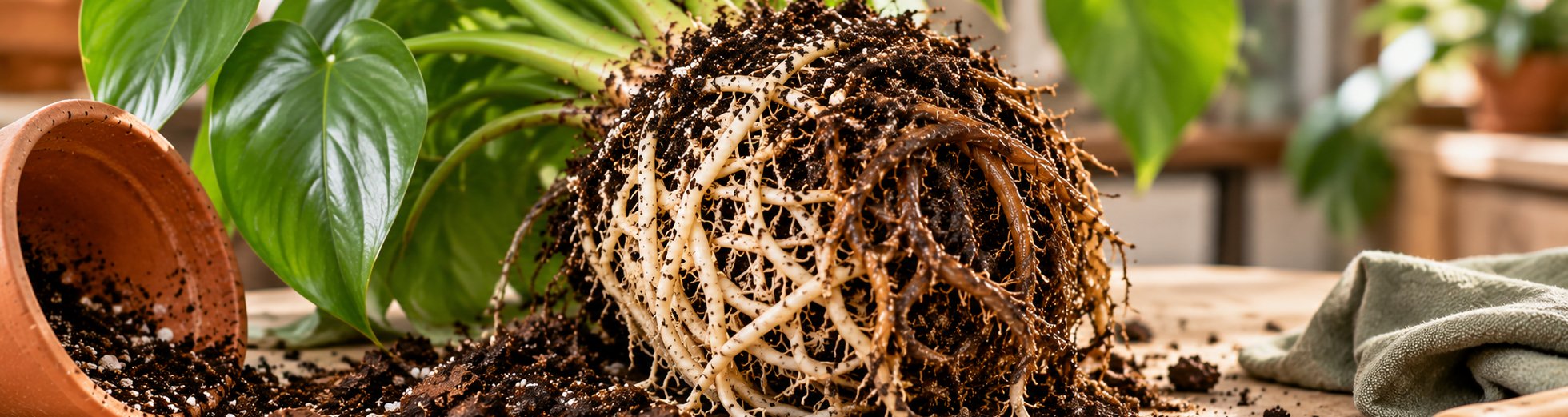
Houseplant Root Rot: Signs, Causes & What to Do
A houseplant starts looking unhappy. Its leaves turn yellow, growth slows and the soil seems to stay wet for much longer than usual. You water it because it looks as though it is struggling — but instead of improving, it gets worse. Root rot is one possible explanation. It develops below the surface, so the…
-
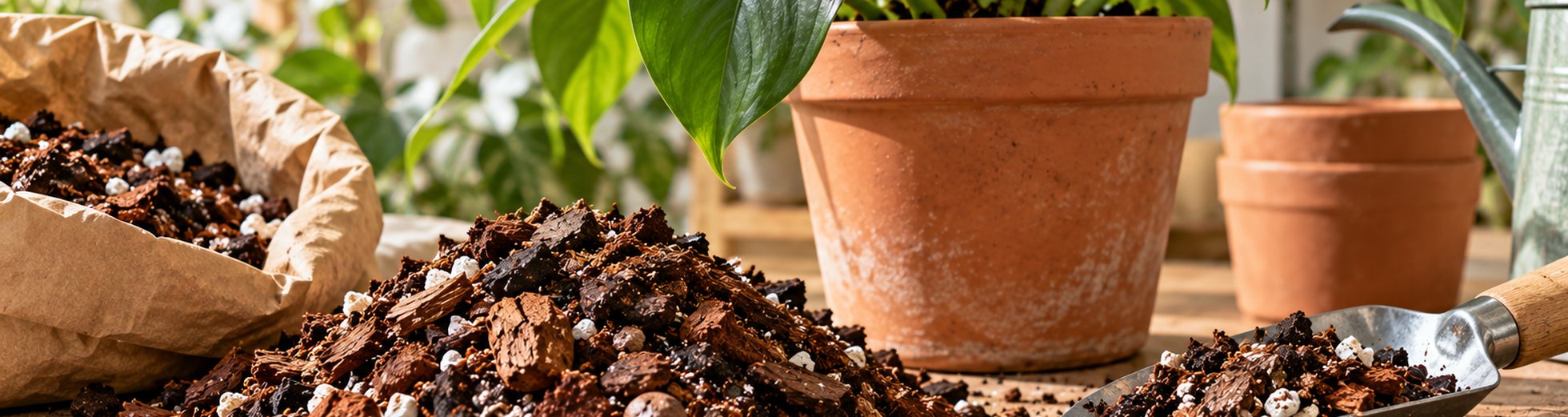
What Makes Potting Soil Drain Better?
Some houseplant potting mixes seem to dry remarkably quickly. Others can still feel wet several days after you’ve watered them. The amount of water you pour into the pot is only part of the reason. The ingredients in a potting mix — and particularly the way those ingredients affect its structure — can make a…
-
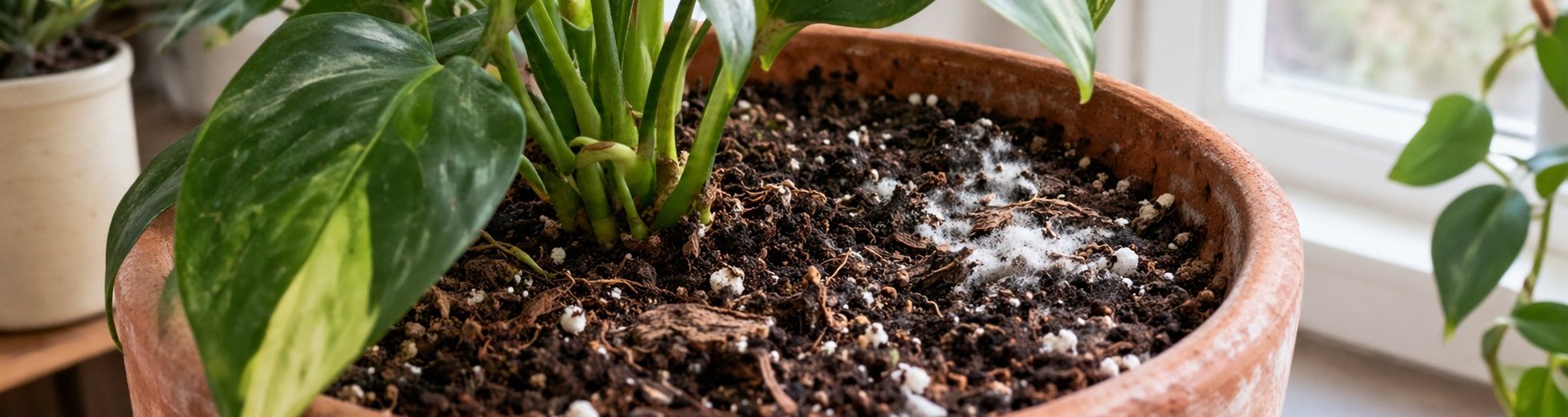
Why Does Potting Soil Go Mouldy? Causes & What to Do
You look at one of your houseplants and notice something spreading across the surface of the soil. It’s white, fluffy and unmistakably mould-like. Not exactly what you were hoping to grow in the pot. Mould on potting soil can look worrying, but it doesn’t automatically mean that your plant is in trouble. Fungi are a…
-
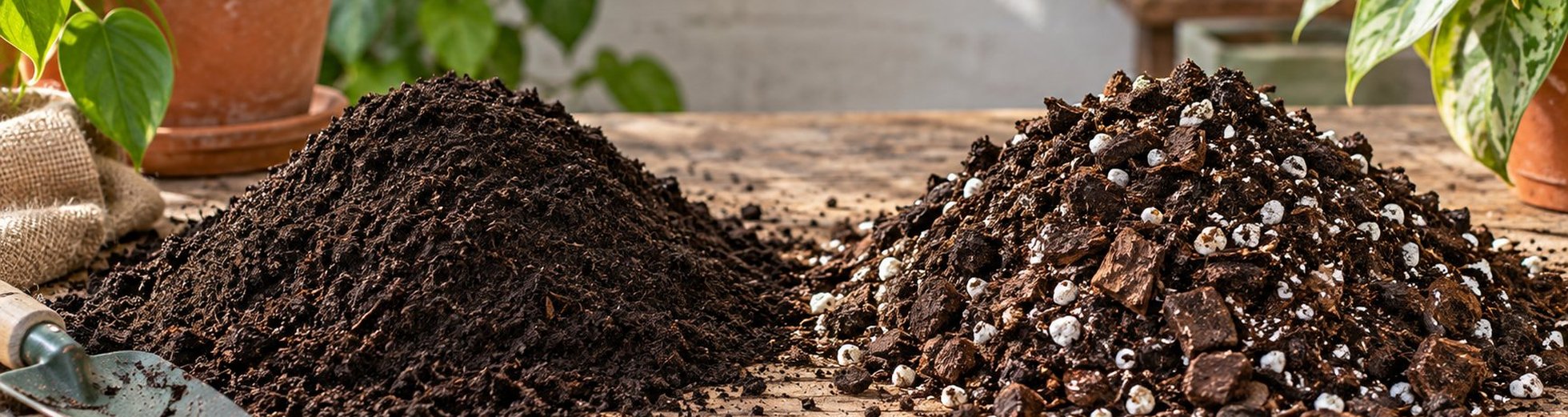
Potting Soil vs Compost: What’s the Difference?
Potting soil and compost can look remarkably similar when they’re sitting in a bag. They’re both dark, earthy growing materials, both can contain organic matter and both might end up around the roots of your plants. So are they really different? Yes — although the terminology can make things confusing. Compost can be an ingredient…
-
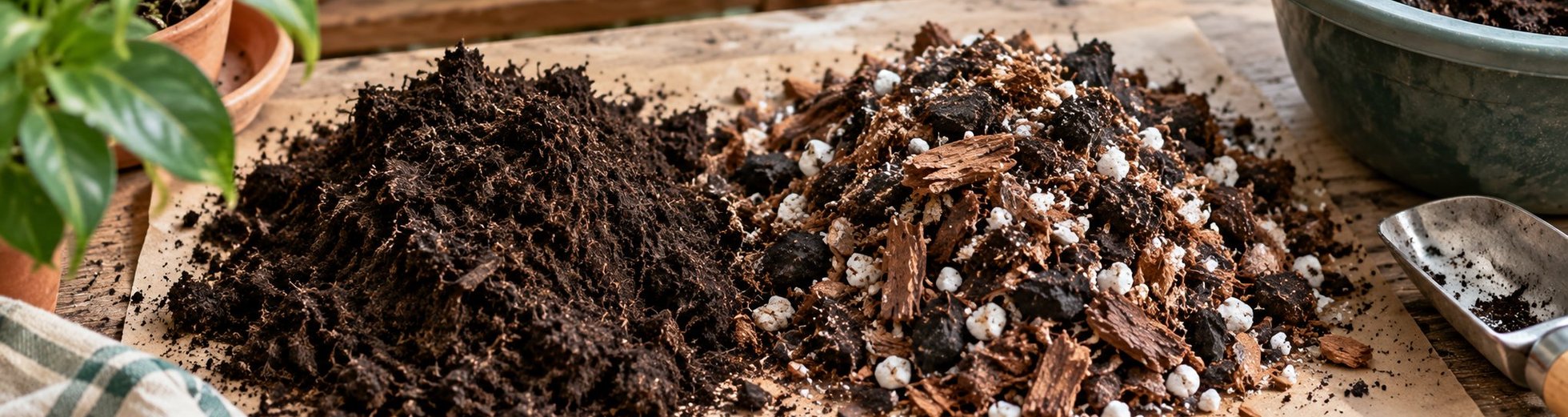
Can You Mix Potting Soil With Compost? What to Know
You’ve got half a bag of potting soil, a bag of compost and a plant that needs repotting. Mixing the two seems like an obvious way to use what you already have — but is it actually a good idea? It can be. Compost and potting soil aren’t necessarily interchangeable, though, and adding one to…
-
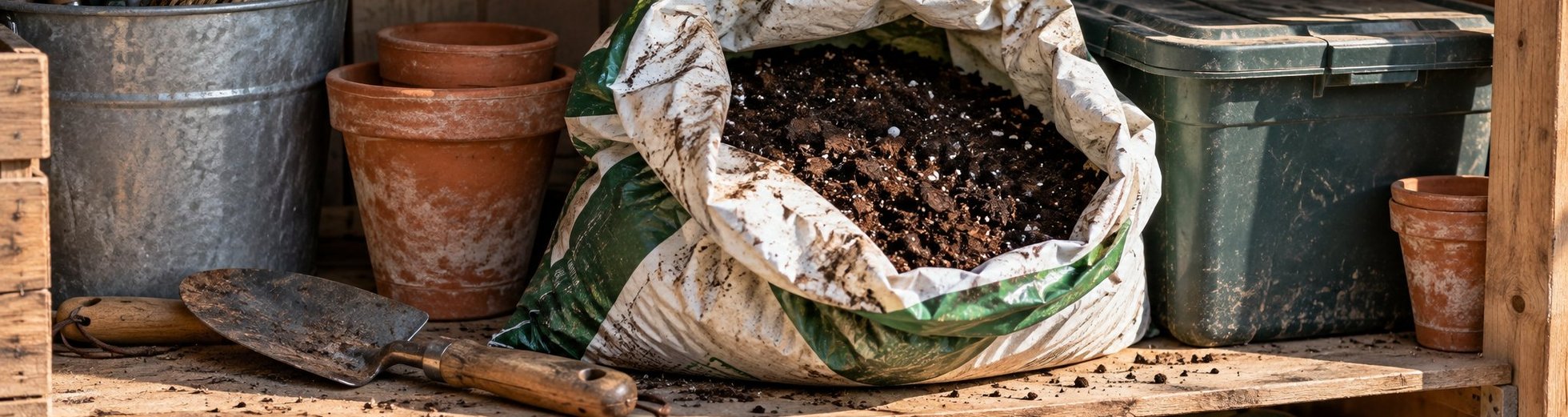
How Long Does Potting Soil Last? Storage & Signs to Check
You find an old bag of potting soil tucked away in the shed or garage. You can’t remember exactly when you bought it, but it’s definitely been there for a while. So, how long does potting soil actually last? There’s no simple expiry date that applies to every bag. Potting soil changes over time, but…
-
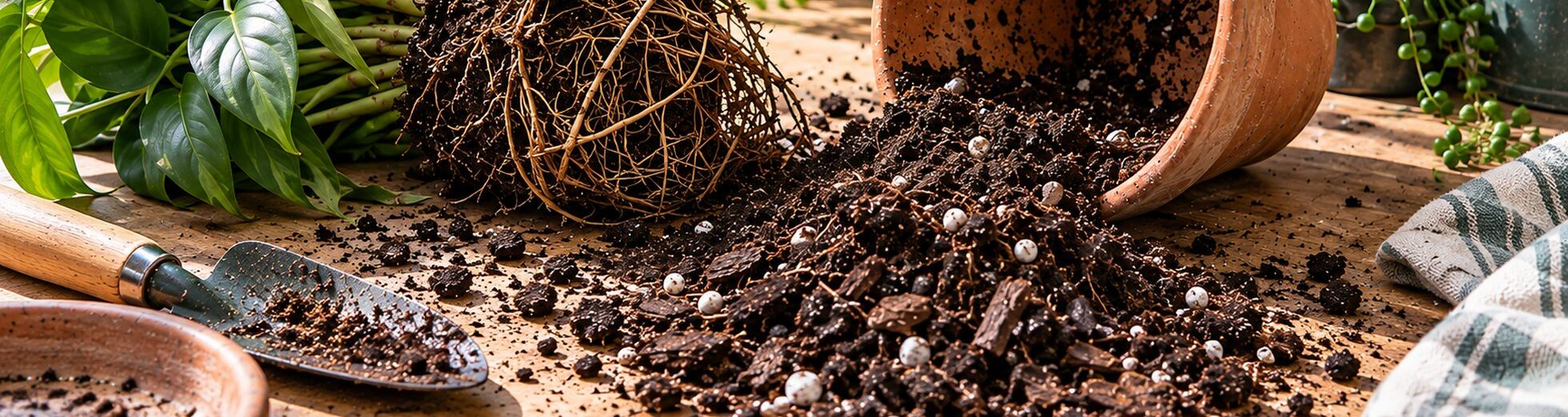
Can You Reuse Potting Soil? When to Reuse or Replace It
You empty an old houseplant pot and find yourself looking at a pile of soil that still seems perfectly good. Throwing it away feels wasteful, especially when there doesn’t appear to be anything wrong with it. The good news is that used potting soil isn’t automatically useless potting soil. You can often use it again,…
-
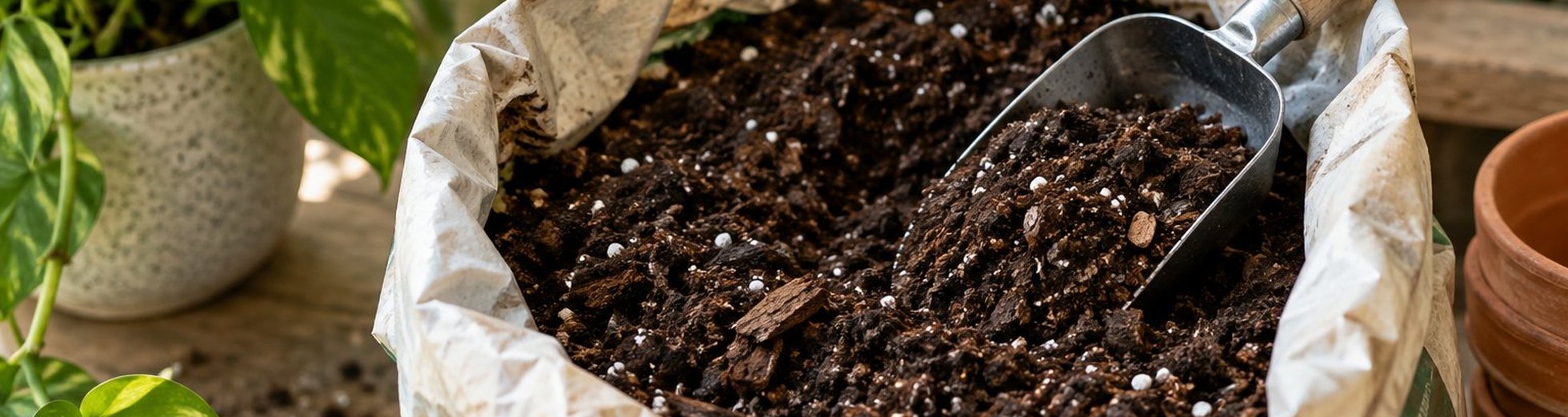
Can Potting Soil Go Bad? How to Tell If It’s Still Usable
You find a half-used bag of potting soil at the back of the shed, garage or cupboard. It’s been there for months — possibly years — and now you’re wondering whether it’s still safe to use on your houseplants. The good news is that old potting soil isn’t automatically bad potting soil. Age can change…
-
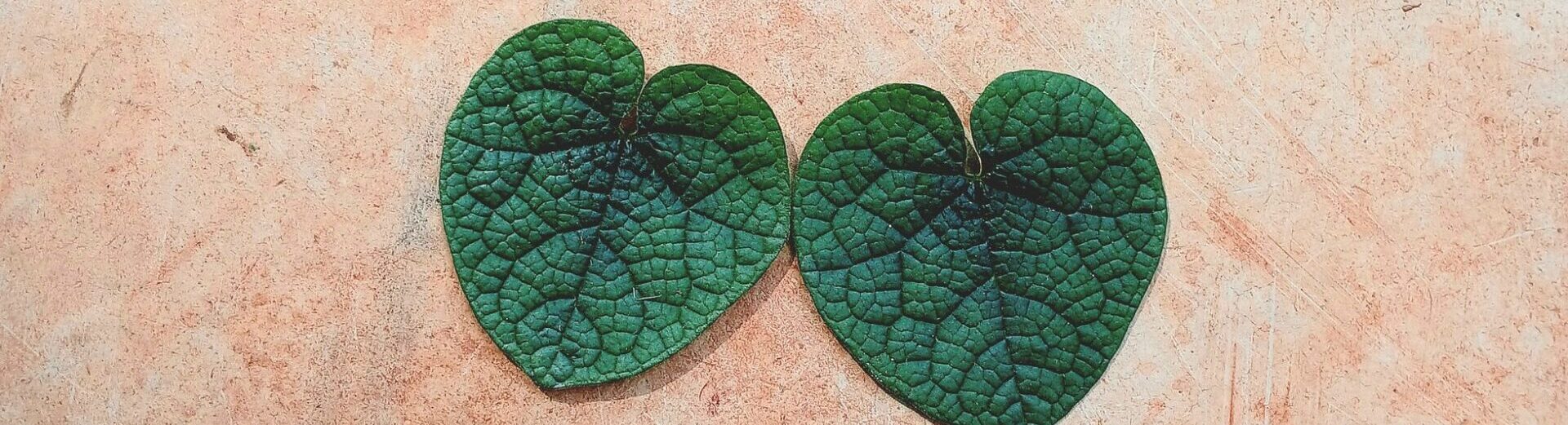
Where Should You Put a String of Hearts?
String of hearts is one of those plants I bought entirely because I saw a photograph of one cascading beautifully from a shelf and immediately decided that was the sort of person I was going to become. A string of hearts tumbling down about four feet in a perfectly even curtain of tiny heart-shaped leaves?…
-
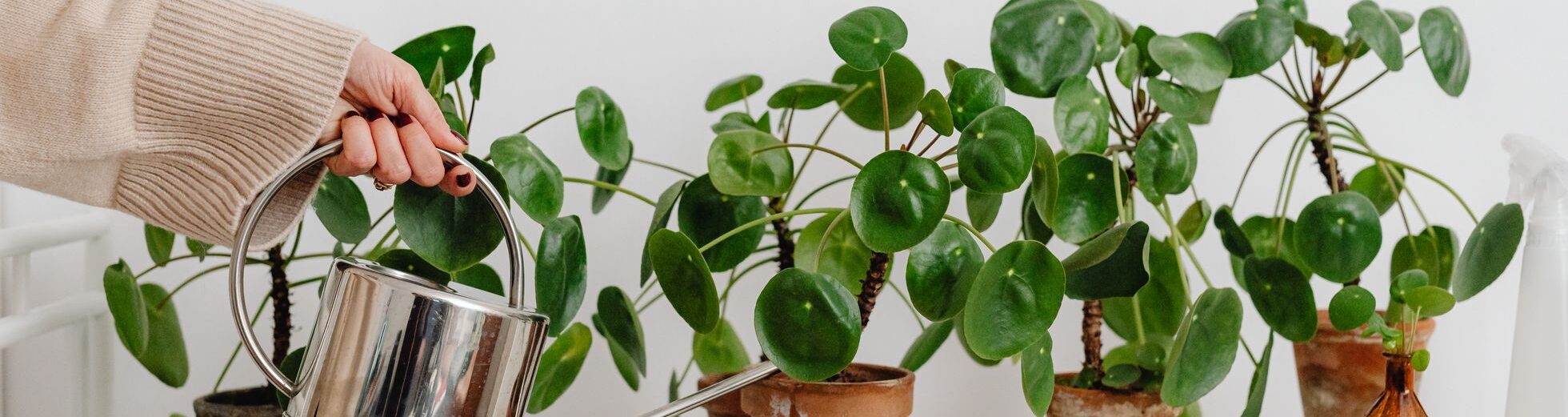
Pilea Placement – Where Should I Put My Chinese Money Plant?
Pilea peperomioides is one of those plants that looks like it should be fairly easygoing. Round green leaves, neat little stems, generally cheerful appearance. And, to be fair, it is. But mine have always had a slightly annoying habit of making their opinions about where I’ve put them very clear. Too dark? Suddenly it’s stretching…
-
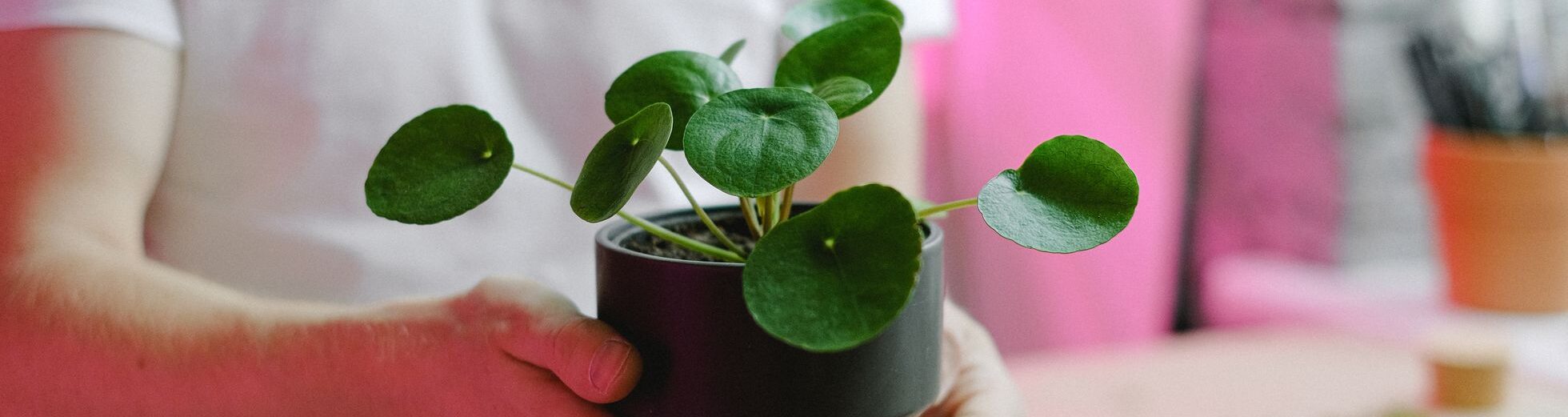
Watering Pilea: Keep Your Chinese Money Plant Thriving
Watering pilea can be really easy. Pilea peperomioides, commonly known as the Chinese Money Plant, is one of the easiest and most rewarding houseplants to grow. Its round, coin-shaped leaves and low-maintenance nature make it a favorite among plant enthusiasts. While Pileas are relatively forgiving, proper watering is essential to keep them healthy and thriving.…
-
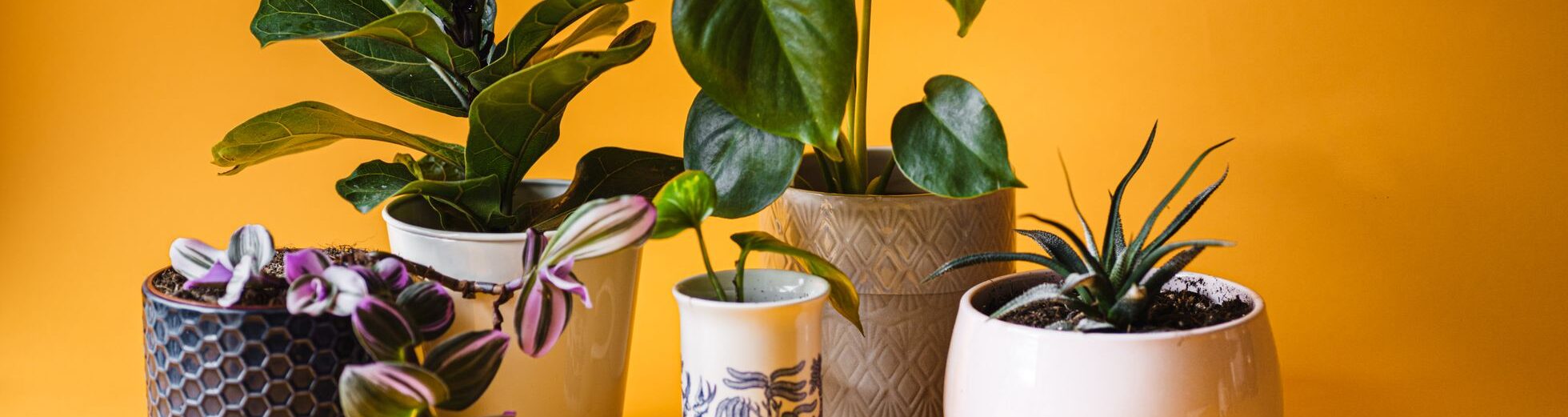
Houseplant Care: Everything Every Plant Owner Should Know
It’s easy to feel overwhelmed by conflicting advice on houseplant care. Water once a week. Mist every day. Never put a plant in direct sun. Always feed in spring. Repot every year. The truth is much simpler. Plants have been growing successfully for millions of years without instruction manuals. The secret to keeping healthy houseplants…
-
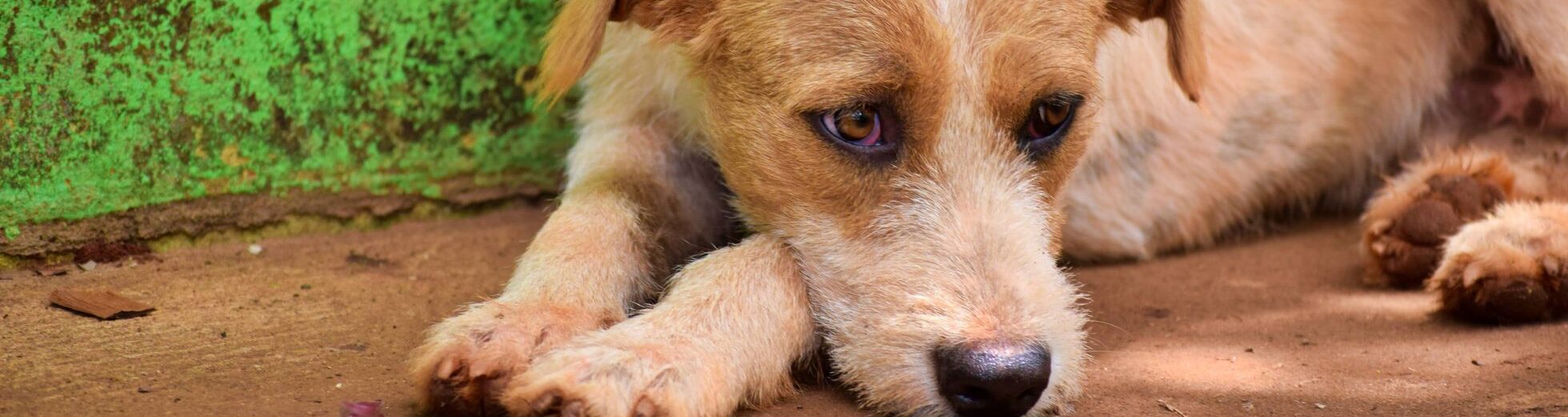
Which Houseplants are Poisonous for Pets?
Poisonous houseplants are more common than many people realise. Understanding which plants are potentially harmful, recognising the symptoms of poisoning, and knowing which alternatives are considered pet safe can help you enjoy a home full of greenery with greater peace of mind. The good news is that most common houseplants are not highly poisonous, and…
-
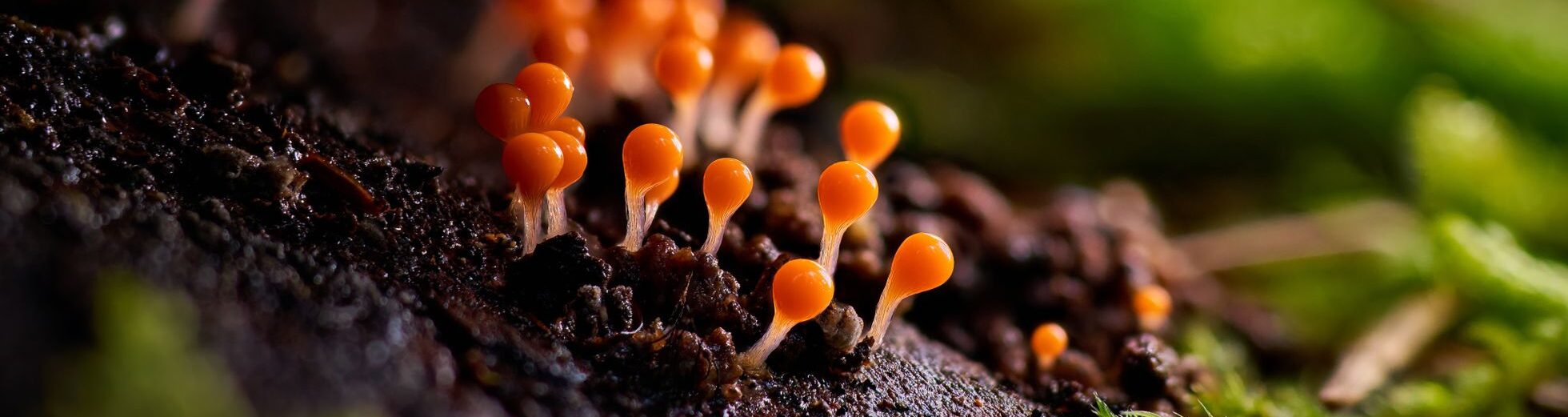
Mushrooms in My Potting Soil – Are They Safe?
You’ve gone to water your favourite houseplant and noticed mushrooms poking out of the compost. Your first thought might be that something has gone terribly wrong. Is the soil contaminated? Is your plant sick? Should you throw the whole pot out? The good news is that mushrooms growing in houseplant soil are usually a sign…
-
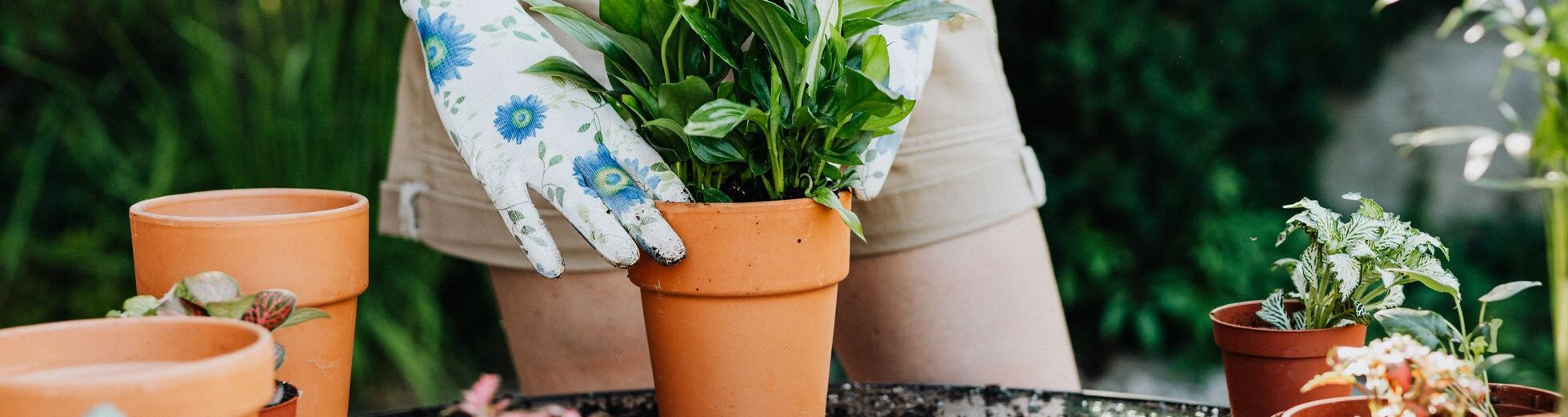
Can You Use Houseplant Potting Mix Outside?
If you’ve ever repotted a houseplant and found yourself with half a bag of potting mix left over, you’ve probably wondered whether it’s safe to use in your outdoor pots. The good news is that, in most cases, the answer is yes. What matters is whether the potting mix suits the needs of the plant…
-
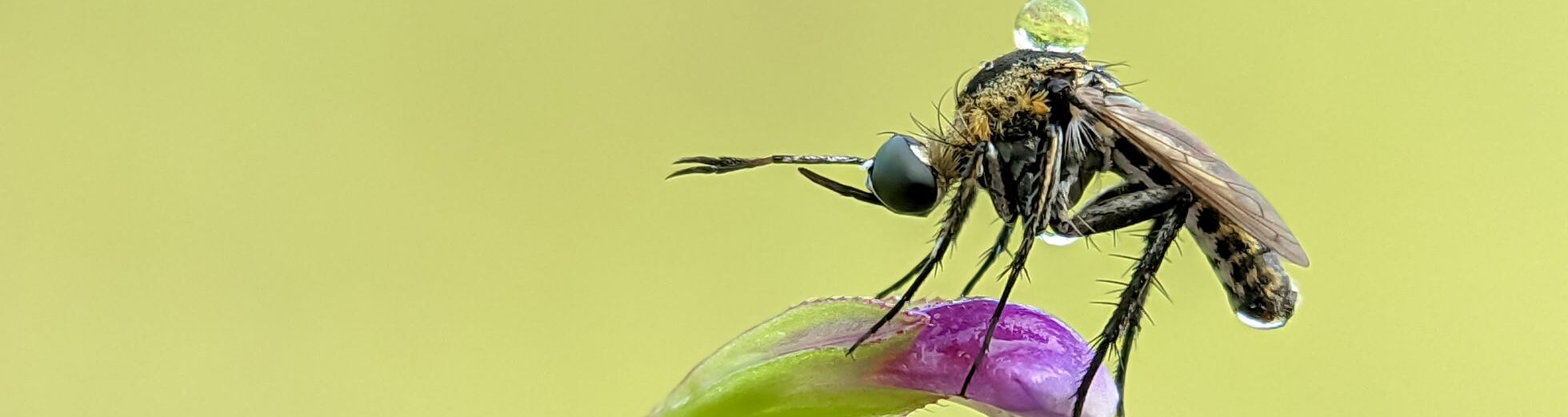
Fungus Gnats, Those Little Black Flies in Houseplant Soil
If you’ve noticed tiny black flies hovering around your houseplants, congratulations! fungus gnats are a milestone in your houseplant journey. At some point, almost everyone who keeps houseplants ends up sharing their home with a few of these tiny insects. Let’s talk about what fungus gnats are, why they appear, and what you can realistically…
-
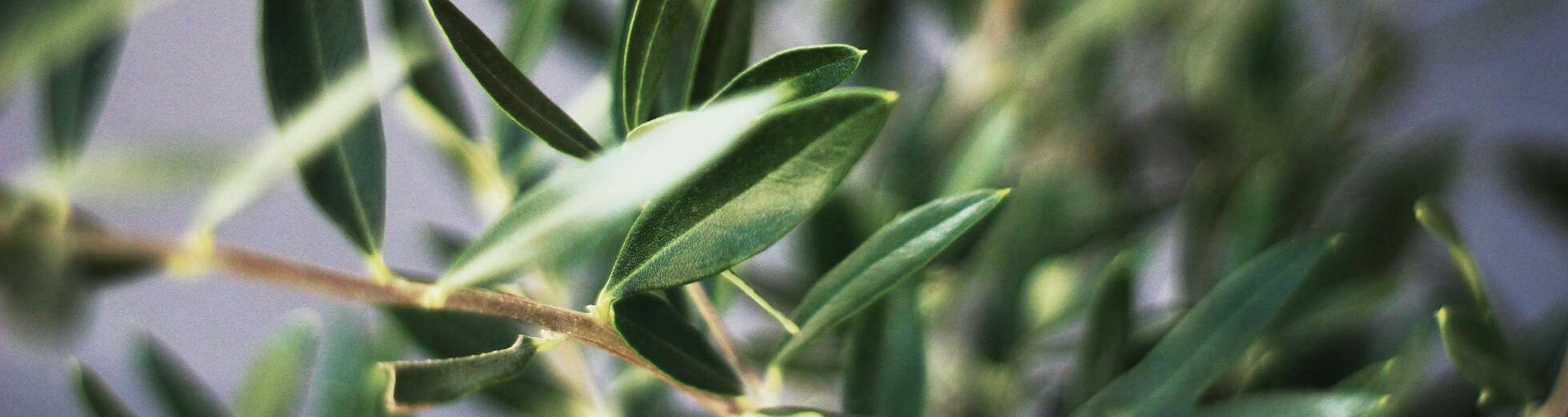
Everything You Need to Know About Keeping Olive Trees Indoors
Olive trees are Mediterranean evergreen trees native to warm, dry regions across Southern Europe, North Africa, and parts of the Middle East. In nature…
-
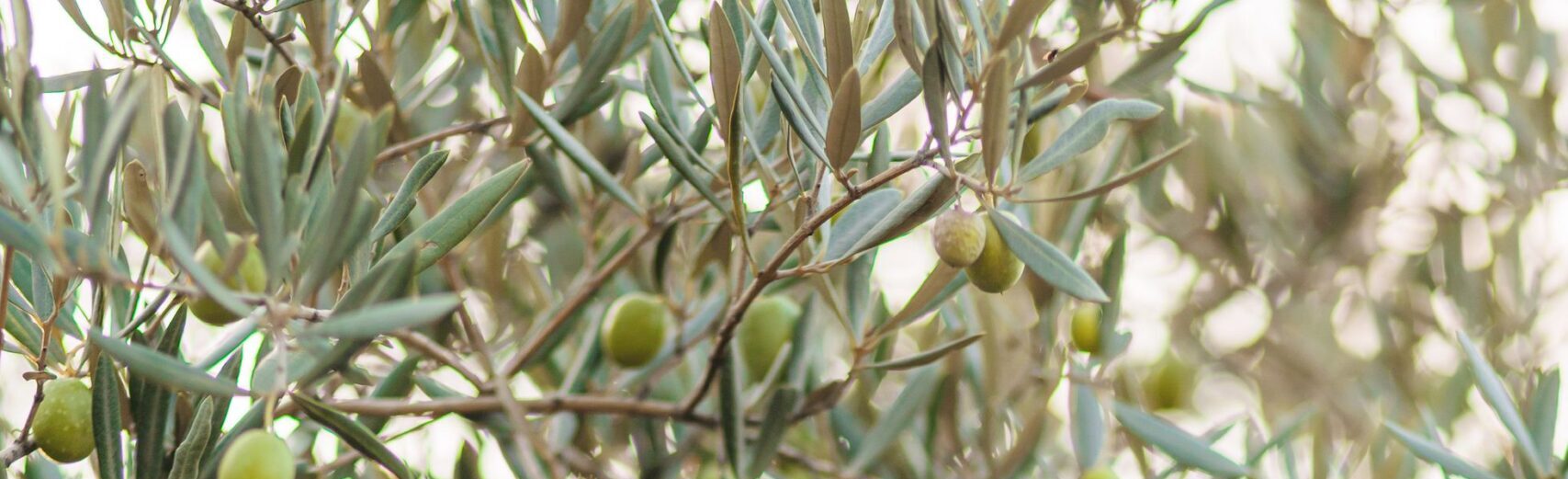
Should I Be Feeding Olive Tree Houseplants?
They aren’t particularly hungry plants, but regularly feeding an olive tree can make a noticeable difference to their growth, foliage colour, and overall health. In their natural Mediterranean habitat, olive trees often grow in relatively poor, rocky soils. They aren’t adapted to receiving huge amounts of nutrients all at once. Instead, they benefit from a…
-
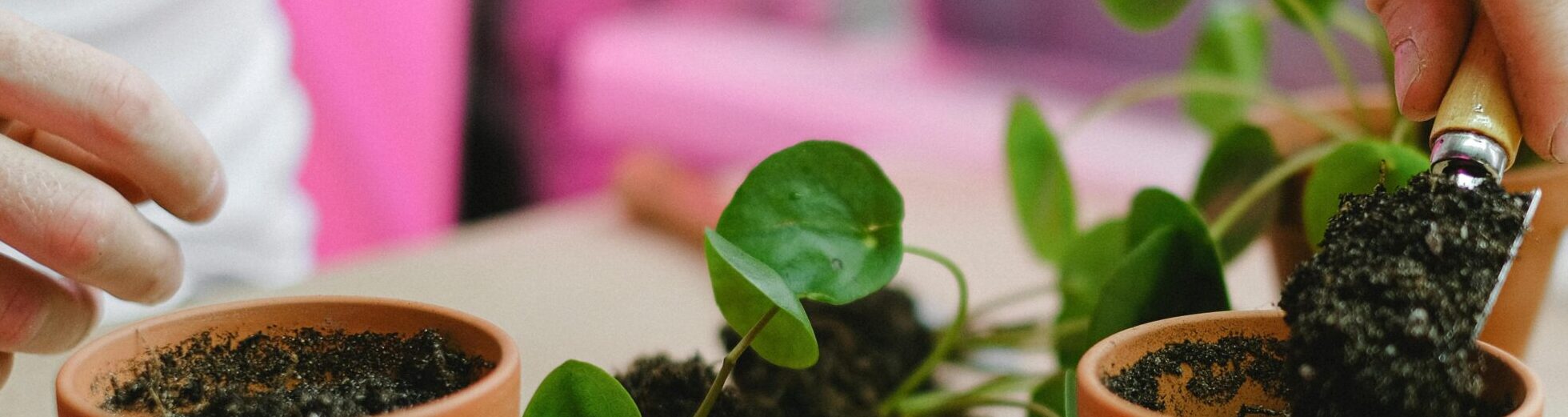
Repotting Houseplants: An Easy Step-by-Step Guide
Repotting houseplants is the best way to give them a boost when they’re struggling, and support their long-term growth. Use this simple repotting guide as a handy reference to make sure you’re keeping the process as stress-free as possible. Step 1: Choose the Right Soil Every houseplant has different needs, and matching your plant to…
-
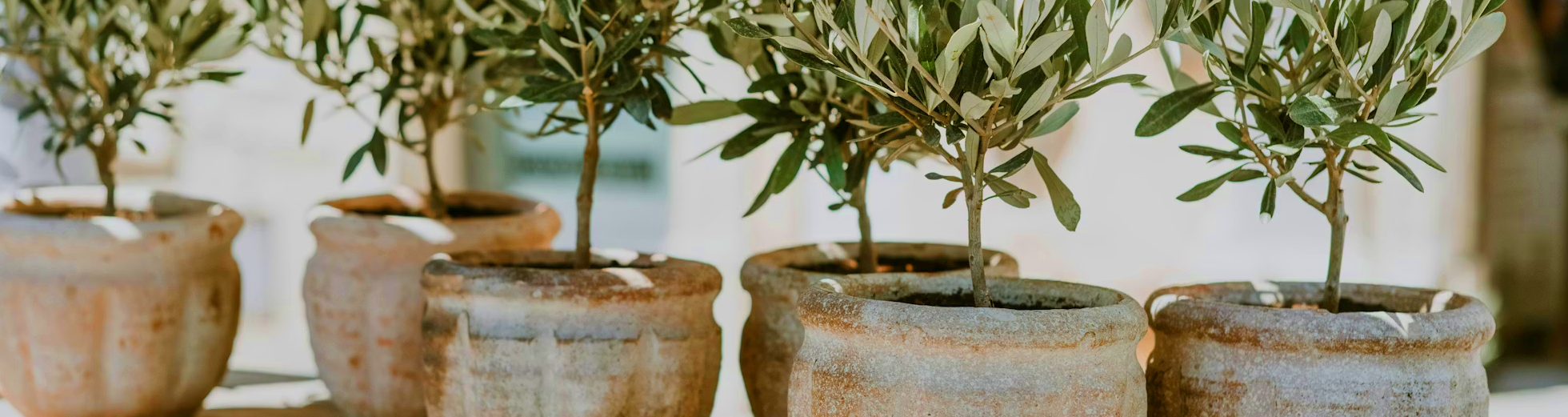
Do Olive Trees Need a Drainage Layer For Repotting?
Adding stones or gravel to the bottom of a plant pot for a drainage layer is one of the most common pieces of gardening advice people hear when repotting an olive tree. It sounds logical — if olive trees need excellent drainage, surely a layer of rocks at the bottom of the pot must help…
-
Am I Watering My Olive Trees Properly?
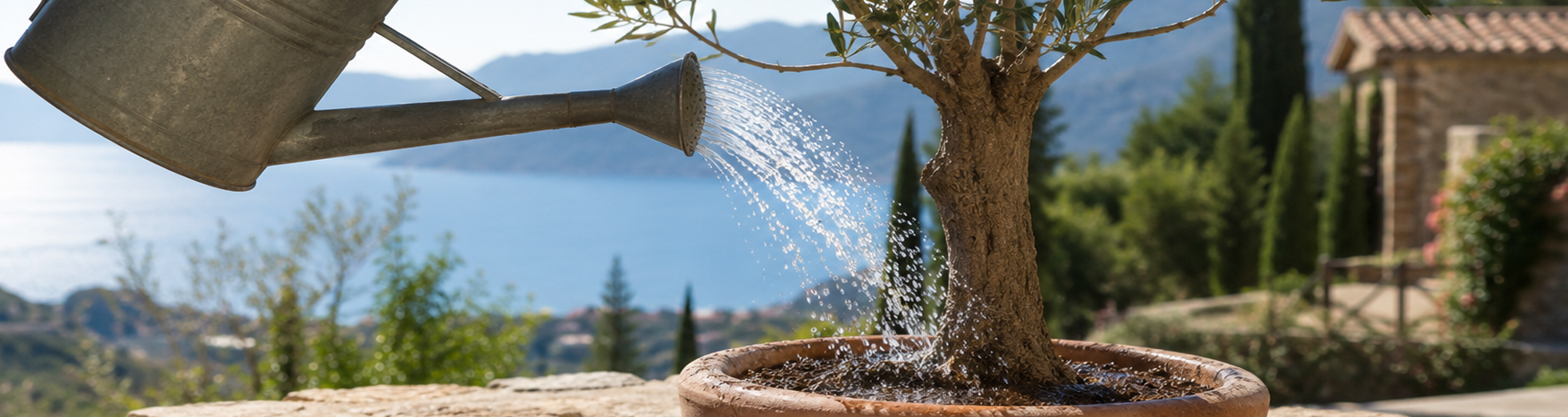
Watering an olive tree can be a little bit tricky. Most problems people run into with olive trees indoors don’t come from pests or pruning mistakes — they come from watering incorrectly. Olive trees are naturally adapted to hot, dry Mediterranean climates where the soil drains quickly and roots are exposed to plenty of air.…
-
Olive Tree Placement Made Easy
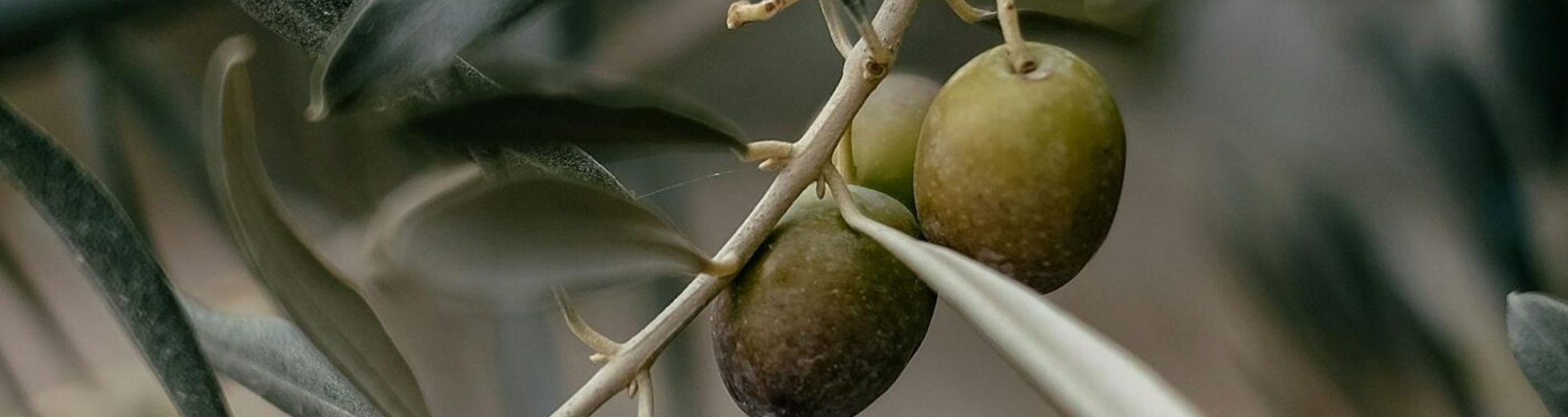
Finding the right spot for an indoor olive tree can make the difference between a thriving Mediterranean centrepiece and a slow, struggling plant that constantly drops leaves. Good olive tree placement gives your plant a great chance at thriving. Olive trees have adapted to being under intense Mediterranean sun, and most problems people have with…
-
When Should I Repot My Olive Tree?
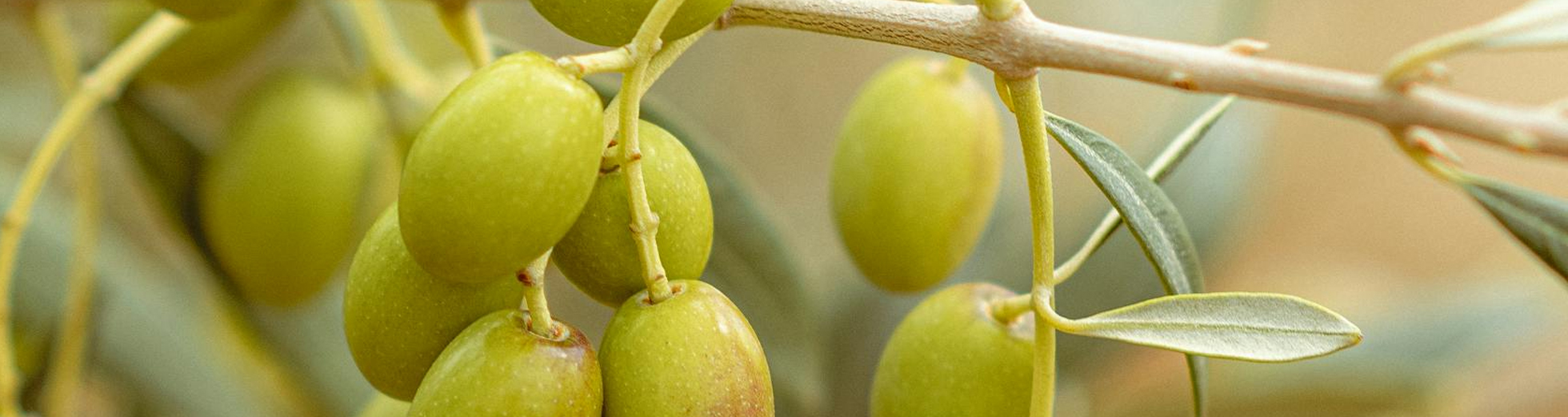
Repotting an olive tree at the right time can make a huge difference to how well it recovers, grows, and settles into its new soil. Olive trees are tough plants, but they still respond much better when repotting is timed properly. Because indoor olive trees are generally quite forgiving, as long as you use a…
-
Supporting Monstera With Training and Pruning
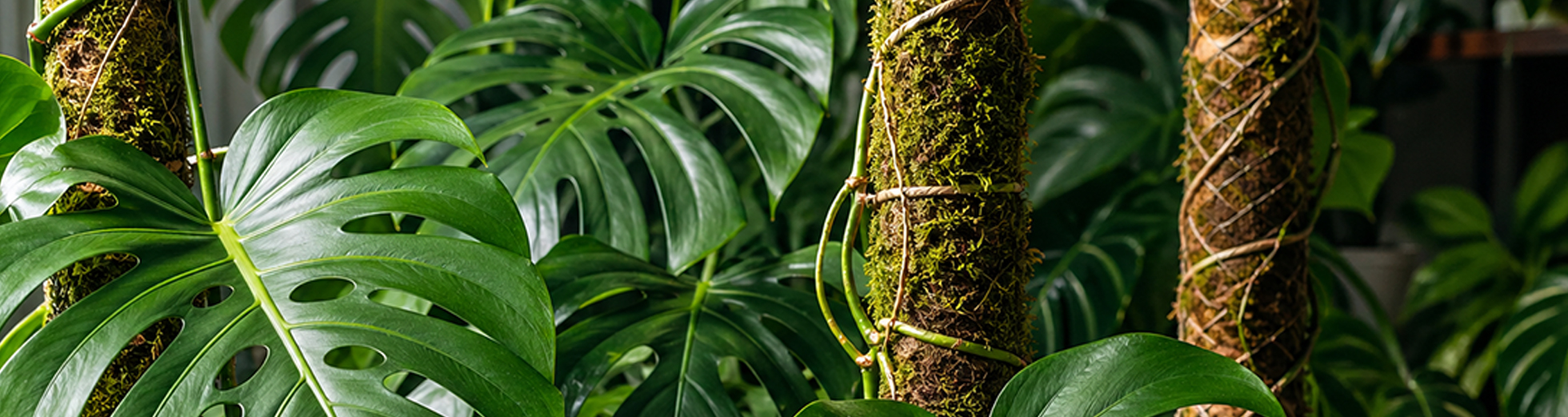
Properly supporting monstera growth is the most specialised skill you’ll need to get to grips with. If you’re not lending your plant a hand, monstera will reach, stretch, and lean, often ending up in shapes that are unruly and difficult to manage indoors. Monstera are climbing plants by nature and, for me, learning how to…