
Poisonous houseplants are more common than many people realise. Understanding which plants are potentially harmful, recognising the symptoms of poisoning, and knowing which alternatives are considered pet safe can help you enjoy a home full of greenery with greater peace of mind.
The good news is that most common houseplants are not highly poisonous, and many simply cause mild irritation or an upset stomach. Serious poisoning is relatively uncommon, especially if treatment is sought promptly.
Here’s a guide to some of the most popular houseplants and what risks they may pose to pets.
Poisonous Houseplants Guide
Here’s a brief rundown on some of the most popular houseplants that can do your pets harm. Remember, even mildly toxic plants can be dangerous if consumed in large amounts. If you’re worried, check with a vet.
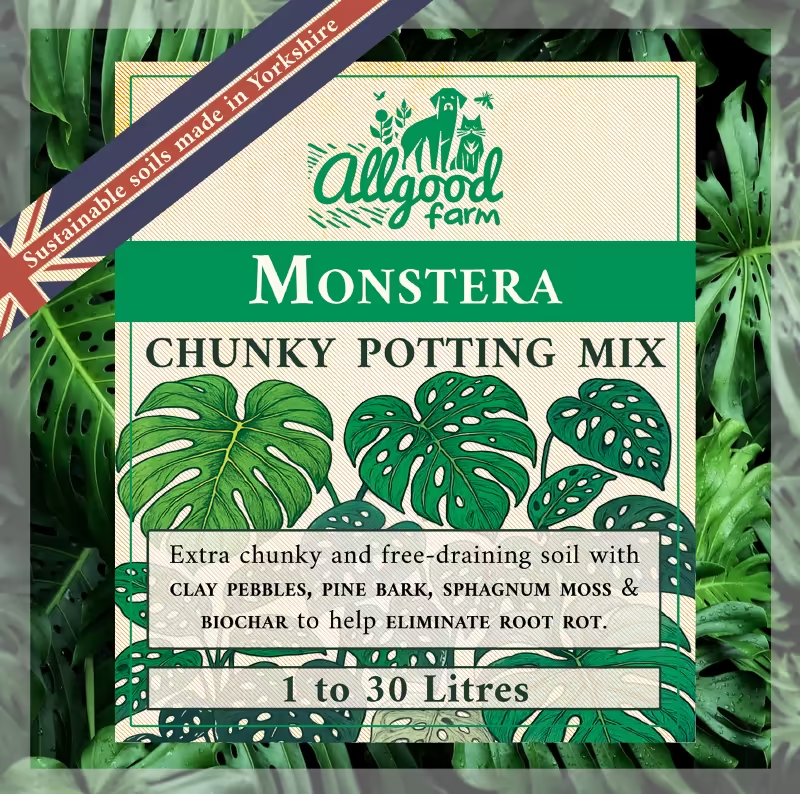
Monstera (Swiss Cheese Plant)
Toxicity: Mild to moderate
Monstera contain insoluble calcium oxalate crystals that are harmful when eaten.
Symptoms include:
- Excessive drooling
- Mouth irritation
- Swollen lips and tongue
- Vomiting

The irritation means most pets quickly stop eating the plant before consuming a dangerous amount.
Philodendron
Toxicity: Mild to moderate
Philodendron also contain calcium oxalate crystals.
Symptoms include:
- Mouth irritation
- Excessive drooling
- Vomiting
- Swollen lips and tongue

Pothos (Devil’s Ivy)
Toxicity: Mild to moderate
Pothos are another member of the aroid family and contain the same irritating calcium oxalate crystals.
Symptoms include:
- Swollen lips and tongue
- Vomiting
- Excessive drooling
- Mouth irritation

Peace Lily
Toxicity: Mild to moderate
Despite the name, peace lilies are a different species from true lilies. These contain calcium oxalate crystals.
Symptoms include:
- Mouth irritation
- Excessive drooling
- Vomiting
- Swollen lips and tongue

Unlike true lilies, they do not cause kidney failure in cats.
Dieffenbachia (Dumb Cane)
Toxicity: Moderate
Another aroid containing calcium oxalate crystals.
Symptoms include:
- Intense mouth irritation
- Swelling
- Excessive Drooling
- Vomiting

Large amounts can occasionally cause breathing difficulties due to swelling.
Ficus (Weeping Fig, Rubber Plant)
Toxicity: Mild
The milky sap from ficus species can cause irritation in the skin, mouth, and digestive tract of pets.
Symptoms include:
- Vomiting
- Drooling
- Mild skin irritation.

Aloe Vera
Toxicity: Mild to moderate
Aloe vera contains compounds that can upset pets’ digestive systems.
Symptoms include:
- Vomiting
- Diarrhoea
- Lethargy
- Reduced appetite.

Jade Plant (Money Plant)
Toxicity: Mild to moderate
Ingestion can cause various problems.
Symptoms include:
- Vomiting
- Lethargy
- Loss of appetite
- Poor coordination.

True Lilies
Toxicity: Extremely dangerous for cats
If you own cats, true lilies are plants to avoid completely.
The leaves, flowers, pollen, and even vase water can cause severe kidney failure in cats.
If you suspect a cat has come into contact with a true lily, contact a vet immediately.

Snake Plant
Toxicity: Mild
Snake plants contain compounds called saponins.
Symptoms include:
- Mild vomiting
- Drooling
- Digestive problems

What If My Pet Eats a Poisonous Houseplant?
Don’t panic.
Many plant poisonings turn out to be relatively mild. If you think your pet has eaten part of a houseplant:
- Remove any remaining plant material from their mouth if it is safe to do so.
- Identify the plant if possible.
- Watch for symptoms such as drooling, vomiting or lethargy.
- Contact your vet if you are concerned or if symptoms develop.
If your cat has come into contact with a true lily seek veterinary attention immediately, even if they seem well. Aggressive early treatment can be vital.
Safe Houseplants for Pets
If you have a cat with an annoying appetite for your houseplants, something I find surprisingly effective is to get them a plant of their own.
I’ve found that having just one accessible plant that my cat can safely nibble and gnaw on (without getting yelled at) keeps her away from the rest of my plants.
Spider Plant
Toxicity: Non-toxic
Spider plants are generally considered safe for cats and dogs.
Cats may enjoy chewing the leaves, although eating too much can still cause a mild upset stomach simply from consuming plant material.

Calathea and Prayer Plants
Toxicity: Non-toxic
These popular foliage plants are generally regarded as pet friendly and make an excellent choice for households with curious animals.

There are Poisonous Houseplants
Many popular houseplants are technically toxic to pets, but the level of danger varies enormously. For most common houseplants such as Monstera, pothos, philodendrons and peace lilies, the biggest concern is irritation to the mouth and digestive system rather than life-threatening poisoning.
If you’ve noticed any mushrooms sprouting in your houseplants, take a look at our houseplant fungus explainer.
We’ve got lots more helpful information covering all things houseplant over at our guides section, covering almost everything that goes into plant care.




Leave a Reply