
You empty an old houseplant pot and find yourself looking at a pile of soil that still seems perfectly good. Throwing it away feels wasteful, especially when there doesn’t appear to be anything wrong with it.
The good news is that used potting soil isn’t automatically useless potting soil. You can often use it again, but its condition and the health of the previous plant matter. Before you tip it into another pot, take a few moments to check what you’re working with.
Quick answer
Can you reuse potting soil?
Yes — you can often reuse potting soil if it is still in good condition and the previous plant was healthy. Check it for pests, unpleasant smells and poor structure first. Used soil may also benefit from some fresh potting mix to restore its structure and give the next plant a better start.
Is it OK to reuse potting soil?
There isn’t a rule that says potting soil can only support one plant.
A good potting mix contains materials chosen to hold moisture while also creating air spaces around the roots. Many of those materials remain useful after you remove the original plant.
However, soil changes while it’s sitting in a pot. Roots grow through it, organic material gradually breaks down and regular watering can carry nutrients away. Over time, the mix may become finer, denser and less effective at doing its job.
So, don’t judge used potting soil simply by its age. Look at its condition instead.

How can you tell if potting soil is worth reusing?
Start with a simple look, smell and feel. You’re not trying to perform a scientific test. You’re checking whether the soil still seems like a healthy growing medium.
Smell
A normal earthy smell is a good sign. A sour, rotten or otherwise unpleasant smell suggests something has gone wrong.
Texture
Look for a loose, crumbly structure. Very dense, sticky or badly compacted soil may struggle to provide enough air around new roots.
Plant health
Think about the plant that previously grew in it. Soil from a healthy plant is a much better candidate for reuse than soil linked to serious pests or disease.
When shouldn’t you reuse potting soil?
Sometimes starting again makes more sense.
Be cautious with soil from a plant that had a serious pest or disease problem. Moving that soil straight into another pot could also move the problem to a new plant.
Condition matters too. If the soil has become slimy, foul-smelling or extremely compacted, keeping it simply to avoid waste isn’t doing your next plant any favours.
A useful rule
If the previous plant had a serious health problem, don’t automatically pass its soil on to the next one.
When you’re unsure what caused the problem, fresh potting soil is usually the simpler option.
Can you reuse potting soil after root rot?
This is one situation where we’d be much more cautious.
Root rot usually develops when roots spend too long in wet, poorly aerated conditions. Therefore, the old soil may already have the wrong moisture balance or structure for the plant.
Putting another houseplant straight into the same wet, compacted mix risks recreating those conditions. Instead, we’d generally choose fresh, suitable potting soil and a clean pot.
Does reused potting soil lose nutrients?
Yes. Plants use nutrients while they grow, and watering can carry some nutrients out through the drainage holes.
However, nutrient loss doesn’t automatically make used soil worthless. It simply means old and fresh potting soil aren’t quite the same thing.
You can often refresh reusable soil with fresh potting mix or suitable amendments. That way, you keep useful material while improving the growing medium for the next plant.
Good to know
Nutrients aren’t the only thing old soil can lose. Structure matters too. If a mix has broken down into fine, dense material, simply adding fertiliser won’t recreate the air spaces that healthy roots need.
How do you refresh old potting soil?
First, remove the old plant and shake away the soil you want to keep. Pull out the main root ball and any large pieces of dead root, although there’s no need to hunt for every tiny root.
Next, loosen the remaining soil and check its texture. If it still feels reasonably open and crumbly, it may only need a little fresh material.
Finally, combine it with fresh potting mix as needed. The goal is to improve the old soil rather than simply disguise a mix that has completely broken down.
Step 1
Remove old roots
Take out the main root ball and remove large pieces of old or dead root from the soil.
Step 2
Loosen the soil
Break apart compacted areas and check whether the mix still has a useful, open structure.
Step 3
Add fresh mix
Combine reusable soil with fresh material where needed to improve its structure and condition.

Can you mix old potting soil with new?
Yes. In fact, mixing usable old soil with fresh potting mix is a practical way to reuse it without relying entirely on a tired growing medium.
There’s no single old-to-new ratio that works in every situation. The amount of fresh material you need depends on the condition of the old mix and what you plan to grow next.
For example, loose soil that has only supported a plant for a short time may need very little refreshing. An older mix that has become noticeably finer will probably need more.
Let the condition of the soil guide you rather than following a fixed recipe.
Can you reuse potting soil for a different plant?
Yes, but there’s another question to ask first: is it the right type of soil for the new plant?
Different houseplants have different needs. A mix that worked well for one plant won’t automatically provide the right balance of drainage, moisture retention and aeration for another.
For example, reusing perfectly healthy soil doesn’t help much if the new plant needs a much freer-draining mix.
So, check both the condition and the suitability of the old soil before giving it a new home.
Can you keep reusing potting soil forever?
Not realistically.
Organic ingredients continue to break down over time. Meanwhile, repeated cycles of root growth, watering and drying gradually change the physical structure of the mix.
Reusing soil can reduce unnecessary waste while that soil still has something useful to offer. Eventually, though, replacement makes more sense than another refresh.
Reuse or refresh it
The soil smells normal, has a useful structure and came from a healthy plant. Add fresh material if it needs a boost.
Replace it
The mix smells bad, has broken down badly or came from a plant with a serious health problem.
What if the potting soil hasn’t been used yet?
A half-used bag sitting in the shed or cupboard is slightly different from soil that has already supported a plant.
Unused potting soil can change during storage, particularly if moisture gets into the bag. However, age alone doesn’t mean you need to throw it away.
We’ve covered the checks in more detail in our guide to whether potting soil can go bad.
If you’ve found fungi rather than pests, our guide to mushrooms in potting soil explains why mushrooms aren’t automatically a sign that something has gone wrong.
So, should you reuse your old potting soil?
If the soil looks, smells and feels healthy, there’s often no reason to throw it away just because another plant has already grown in it.
Check where it came from, remove old roots and refresh it when necessary. At the same time, remember that saving soil shouldn’t come at the expense of the next plant. If the mix has broken down badly or you’re concerned about pests or disease, starting fresh is the better choice.
Starting fresh?
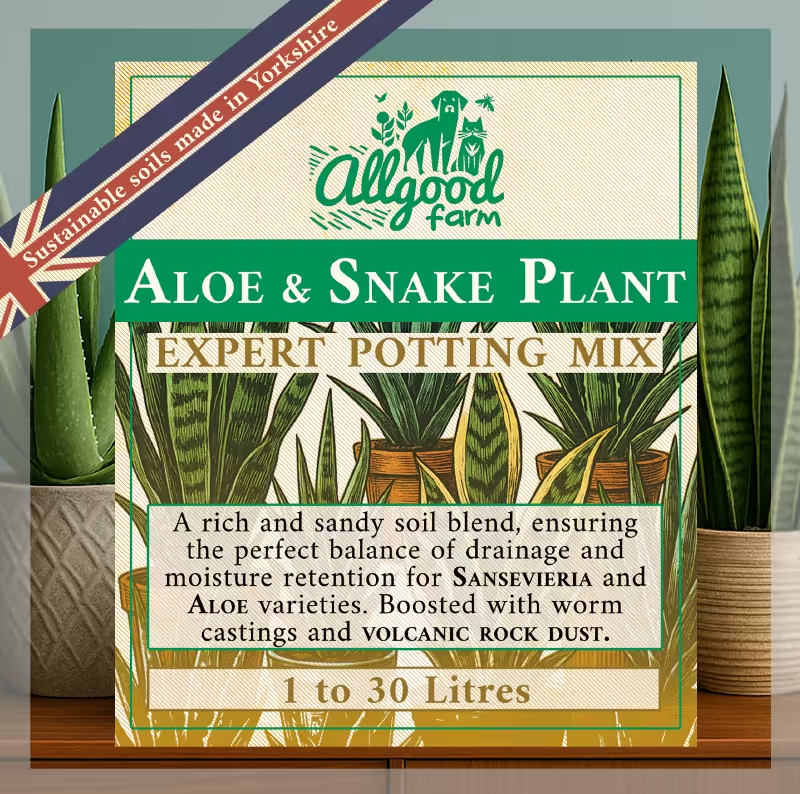
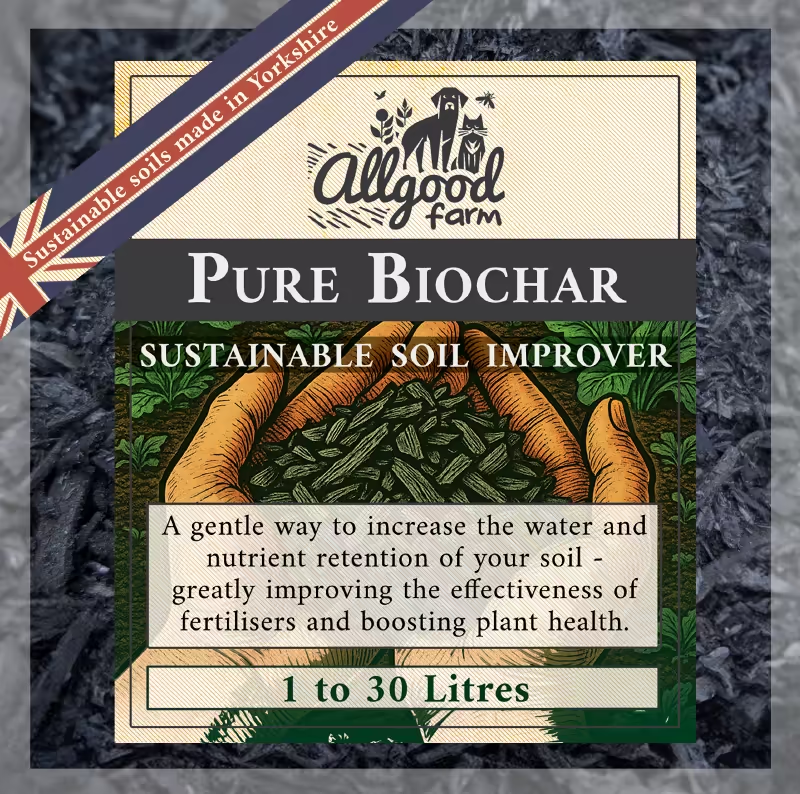
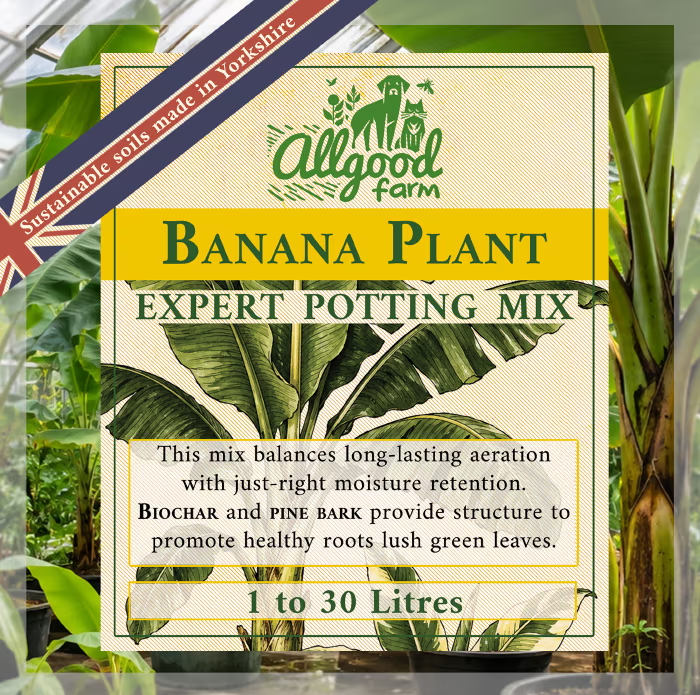
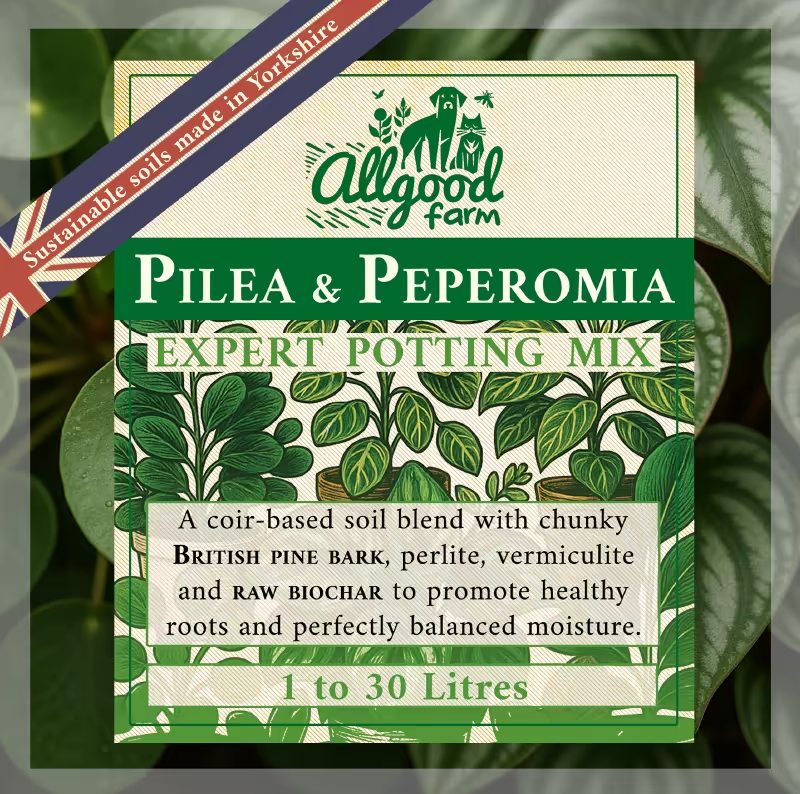
Find the right mix for your houseplant
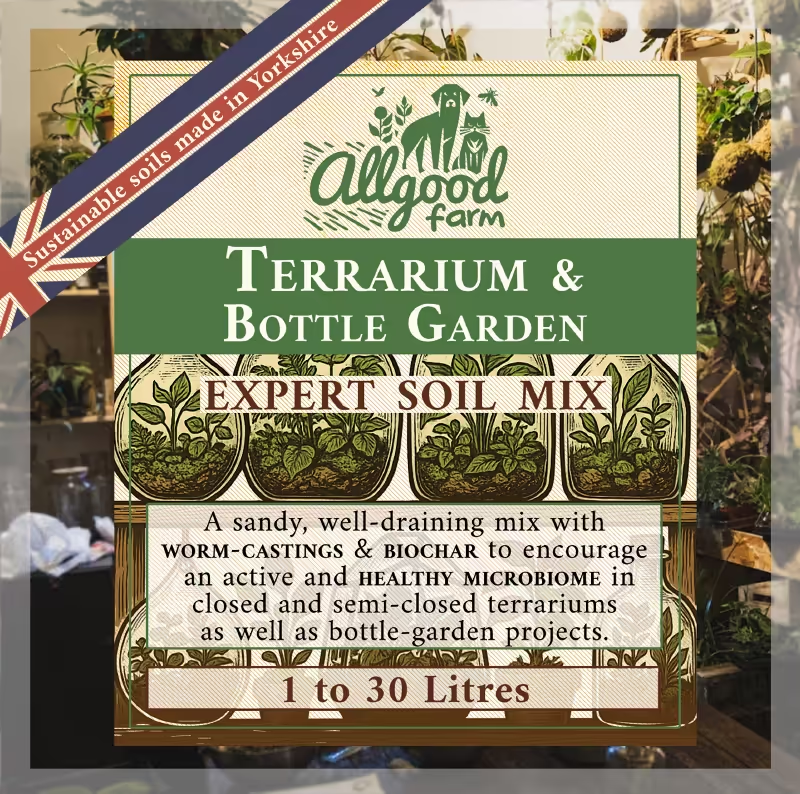
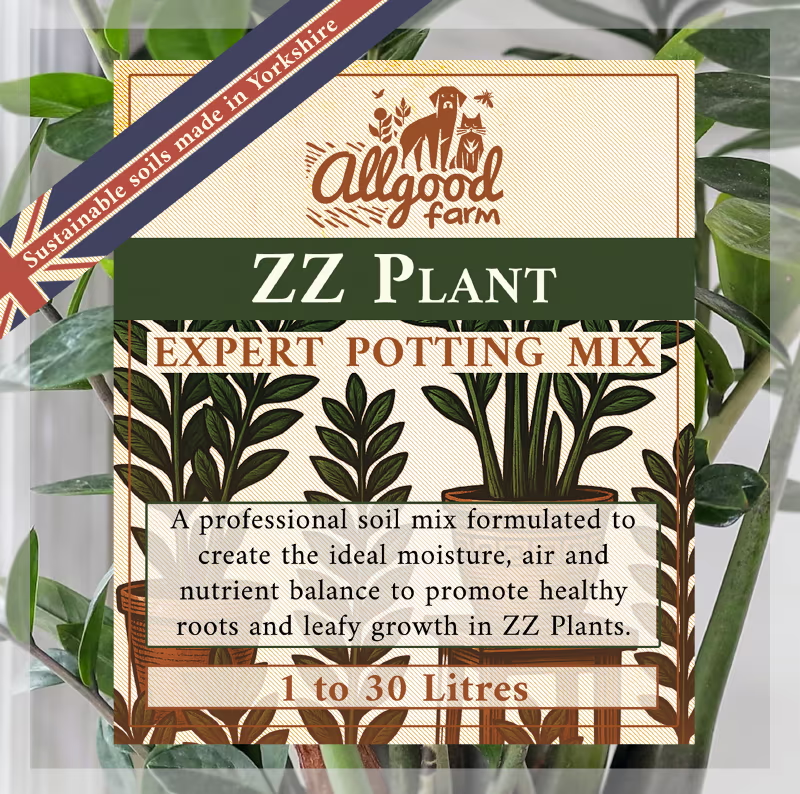
Explore our specialist houseplant potting mixes and find a growing medium suited to the plant you’re repotting.
At a glance
Can you reuse potting soil?
Yes
Healthy used potting soil can often be reused instead of thrown away.
Check it first
Look at its smell, structure and the health of the plant that previously grew in it.
Refresh if needed
Fresh potting mix can help improve older soil before you use it again.
Continue learning
Coming next
How Long Does Potting Soil Last?
Another guide in our potting soil series.
More from Allgood Farm
Follow us for more houseplant tips
Join Allgood Farm on Facebook for houseplant tips, new guides and more from us.


Leave a Reply