
If you’ve noticed tiny black flies hovering around your houseplants, congratulations! fungus gnats are a milestone in your houseplant journey. At some point, almost everyone who keeps houseplants ends up sharing their home with a few of these tiny insects.
Let’s talk about what fungus gnats are, why they appear, and what you can realistically do if they’re starting to annoy you.
What are fungus gnats?
Fungus gnats are tiny dark flies, usually around 2-4mm long, that live around damp organic matter. The adults are the little flies you see hovering around your pots or wandering lazily across your windowsills.
The larvae live in the soil itself, feeding primarily on fungi, algae and decaying organic material.
Healthy, established houseplants generally have very little to fear from them. In very large numbers, the larvae can damage seedlings, but they’re mostly just a nuisance to the humans in the house.

Why do I have fungus gnats?
The simple answer is that fungus gnats love moist soil.
If your potting mix stays wet for long periods, you’re creating exactly the conditions they enjoy. But having fungus gnats doesn’t necessarily mean you’re doing anything wrong.
Many houseplants appreciate consistent moisture and a high quality soil mix contains plenty of organic material. Plants and their roots naturally thrive in soil with fungi and microbes.
Fungus gnats are simply part of that little ecosystem.

They’re particularly common:
- In newly potted plants.
- During the cooler months when soil dries more slowly.
- In warmer months when windows are open more often.
- In larger pots.
- In organic compost
- In potting mix rich in natural materials.
- In homes with lots of plants.
To put it another way, sometimes having fungus gnats simply means you own houseplants.
Did they come in my soil mix?
The awkward truth is that any natural compost can contain fungus gnat eggs or larvae. They’re everywhere outdoors, and adult gnats are very good at finding fresh, damp soil.
The only way to guarantee gnat-free compost is through chemical treatment or heat sterilisation. Killing the gnats also means killing the beneficial fungi, bacteria and microorganisms that make healthy soil alive.
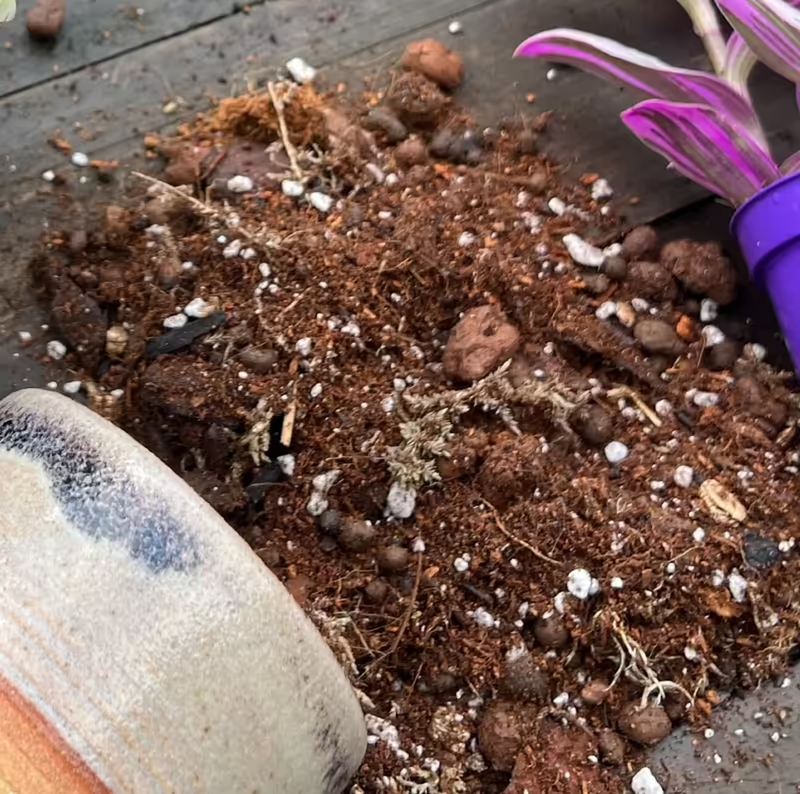
A thriving microbiome in the soil supports healthy plant growth and resilience. For me, that’s more valuable than the gnat-free alternative of burying your houseplants in pots of dead dirt.
Do fungus gnats hurt my plants?
The adult flies do not eat leaves, damage stems, or lay eggs anywhere on a plant. They’re not really interested in your plants at all. Fungus gnats are a soil pest not a plant pest.
Very large populations could become stressful for tiny seedlings, cuttings and very young plants because the larvae may nibble on especially tender roots. However, their primary foods are the fungi and microorganisms living in the soil.
Our Expert Seed & Cutting soil mix is made with zero fertilisers or compost to help keep pests away from delicate new seedlings. But as soon as the roots are ready, we will always recommend repotting into the right organic, living soil.
How do I get rid of fungus gnats?
You’ll find hundreds of remedies online, ranging from sensible to slightly unhinged.
Here’s what actually works.
1. Let the soil dry out a little
Since larvae need moist conditions, allowing the top few centimetres of potting mix to dry between watering can dramatically reduce their numbers.
It’s also good practice for many houseplants to avoid overwatering. Keeping the soil surface drier by bottom watering can also make conditions less attractive for egg-laying adults.

2. Yellow sticky traps
These bright yellow cards catch the adult flies and help reduce breeding.
They’re one of the easiest and most effective ways to keep numbers under control.
If you don’t mind dealing with some dead, sticky flies, keeping a few traps hanging near your houseplants might be a good idea.

3. A layer of grit or decorative stones
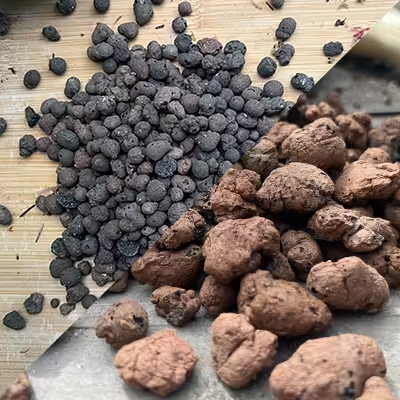
Covering the surface of the compost with horticultural grit, gravel or pebbles can make it more difficult for adult fungus gnats to reach the damp soil and lay their eggs. A drier, less organic surface is simply less appealing to them.
However, any eggs and larvae already in the soil will be unaffected, and determined adults can often find gaps to squeeze through.
4. Diatomaceous earth
A dry layer of fine diatomaceous earth can kill fungus gnats that crawl through it, but it stops working as soon as it gets wet.
This means it needs to be reapplied quite often.
If you’re prepared to deal with the faff, diatomaceous earth is a pesticide that doesn’t harm the soil beneath the surface.

Can I ever get rid of them completely?
Maybe.
Probably not forever.
The reality is that fungus gnats are part of the natural world. Adult flies can wander in through open windows, fresh compost may contain eggs, and a single overwatered pot can support a whole new generation.
If you want to be certain that any new soil you buy is gnat-free, you can take the nuclear option by baking it at 80-90°C for 30 minutes before use. We don’t recommend this if you want healthy soil, but plenty of people prefer this approach.
A few fungus gnats flying around occasionally are perfectly normal and don’t mean your plants are unhealthy.
The Bottom Line
Fungus gnats are one of the inevitable little annoyances of keeping houseplants.
They may be a sign that your soil is staying a bit too damp, but they’re very common in an organic, biologically active potting mix.
A completely sterile, insect-free environment isn’t necessarily the sign of a healthy houseplant collection. Living plants need living soil, and living soil comes with a few tiny residents.
For more help and advice about all things houseplant, take a look at some of our other guides.
Or if you’re looking for some living soil of your own, view our full range of expert potting mixes.


Leave a Reply