
It’s easy to feel overwhelmed by conflicting advice on houseplant care. Water once a week. Mist every day. Never put a plant in direct sun. Always feed in spring. Repot every year.
The truth is much simpler.
Plants have been growing successfully for millions of years without instruction manuals. The secret to keeping healthy houseplants isn’t memorising a schedule—it’s understanding what your plant needs and learning how to recognise when something isn’t quite right.
Three Basics of Houseplant Care
We can simplify a lot of houseplant care into three main areas.
- Light
- Soil
- Water
With a solid understanding of how these basic elements work together, you can pretty confidently grow any kind of houseplant.
Don’t be overwhelmed by random tips and advice with zero context.

Knowing the basics will always be better for actual plant care than a bunch of quirky houseplants hacks.
Light: The Most Important Part of Houseplant Care
If there is one thing that determines whether a houseplant thrives or merely survives, it’s light.
Every leaf is essentially a tiny solar panel, capturing energy from sunlight and converting it into food.
Light is More Important Than Water for Houseplant Care
People often obsess over watering, but light is what powers everything a plant does.
Without enough light, a plant uses water much more slowly. This makes it much easier to overwater the plant, and further worsen the growing conditions.
Making sure your plants are getting enough sunlight indoors can be a challenge.
Most popular houseplants prefer bright, indirect light. That means plenty of daylight without long periods of harsh afternoon sun.

Direct sunlight blazing through thick double glazing can easily be intense enough to burn delicate leaves.
As long as you don’t plonk your plant right into the sun’s firing line, the more light you can give a houseplant, the better.
Windows Face Different Directions
Not all windows provide the same conditions.
South-facing windows receive the strongest and longest-lasting light, making them ideal for sun-loving plants. However, intense summer sunshine may scorch delicate leaves.
East-facing windows provide gentle morning sun, followed by bright indirect light for the rest of the day. This makes them one of the easiest locations for a wide range of houseplants.
West-facing windows receive hotter afternoon sun. This can be beneficial for some species but too intense for others during summer.
North-facing windows generally provide the lowest light levels, although they still offer plenty of daylight for plants adapted to shadier environments.

Understanding your windows is often more useful than memorising individual plant care guides.
Potting Soil: Your Houseplant’s House
Potting soil is much more than something to hold a plant upright. A good potting mix provides the perfect balance of moisture retention, aeration, nutrition, and structure so that roots can grow and function normally.
Unlike plants growing in the ground, houseplants rely entirely on the limited environment inside their pot. This makes the quality of the potting mix one of the biggest factors in their overall health.
A good potting mix is really important for giving your houseplants the best possible foundation to thrive.
What Makes Good Houseplant Soil?
Healthy roots need a balance of water and air.
There are a few vital qualities that a good potting mix has to get right:
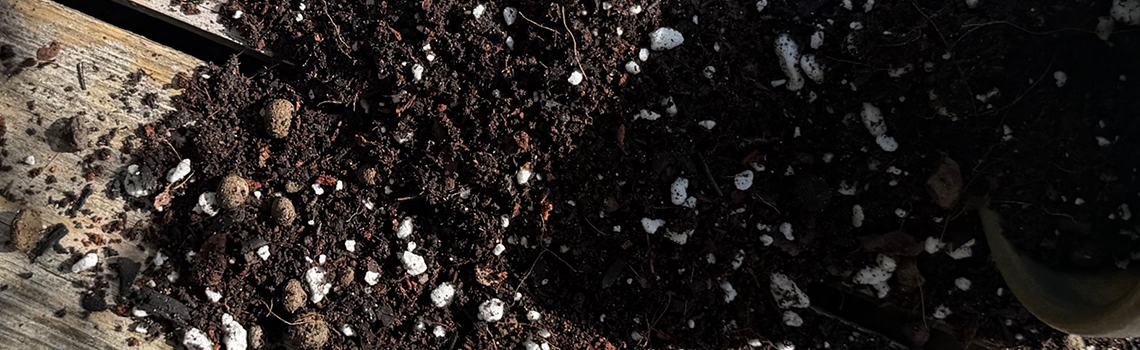
Balanced Moisture
It takes time for roots to absorb water, so it’s important that the potting mix can hold enough moisture for the plant to drink. However, soil that stays too wet for too long will quickly cause root rot. Striking that balance is key.
Aeration
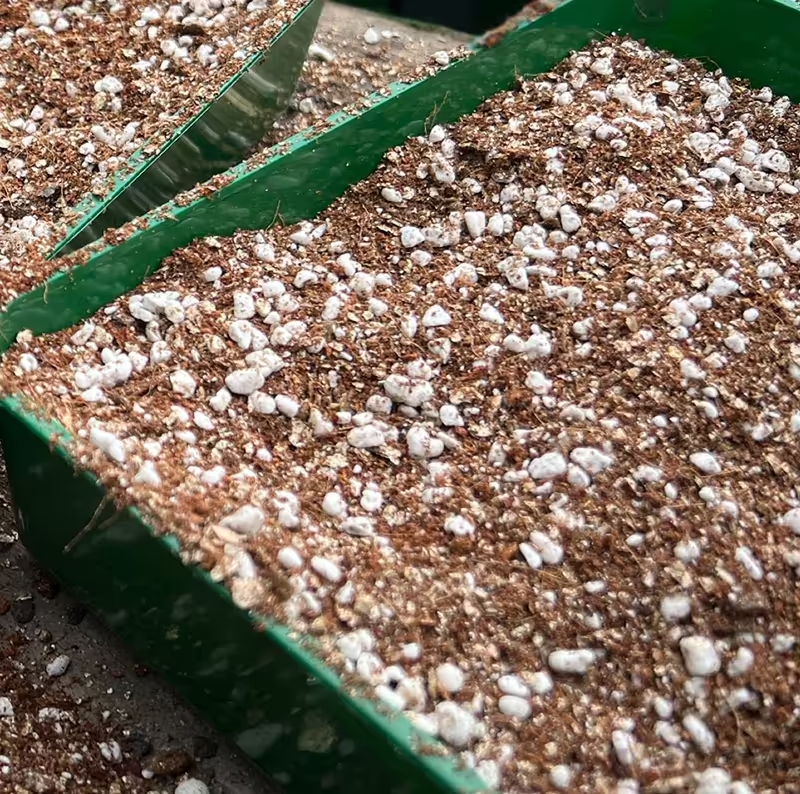
Roots need air as well as water. Soil that is too compacted easily suffocates roots. This happens frequently when you pot plants in raw compost. Adding texture to soil is a vital way to make sure roots are getting enough air.
Nutrition
Potting houseplants in living soil is a natural, stress-free way to make sure they’re getting everything they need. A rich, active microbiome provides lots of nutrients for any kind of houseplant.

Structure
Just as important as a soil’s ability to hold water is the ability to get rid of it. Free draining soil lets you fully saturate a pot every watering with zero worries. As well as drainage, potting mix needs to provide enough structure to support the plant’s size and weight as it grows.
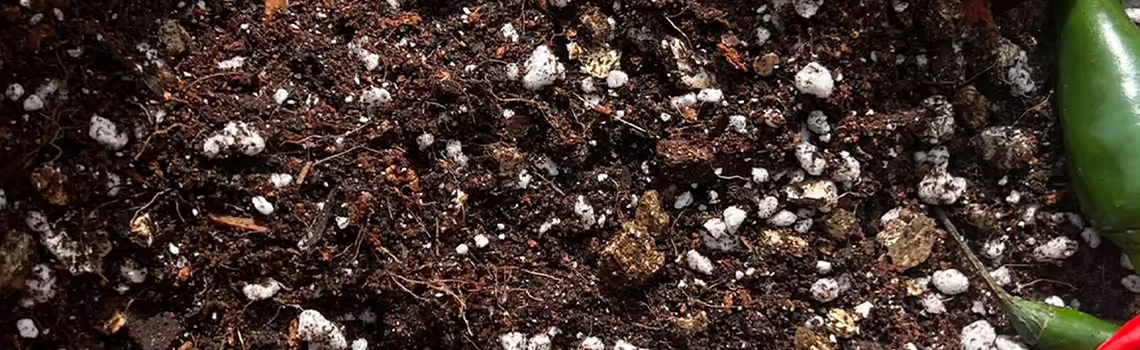
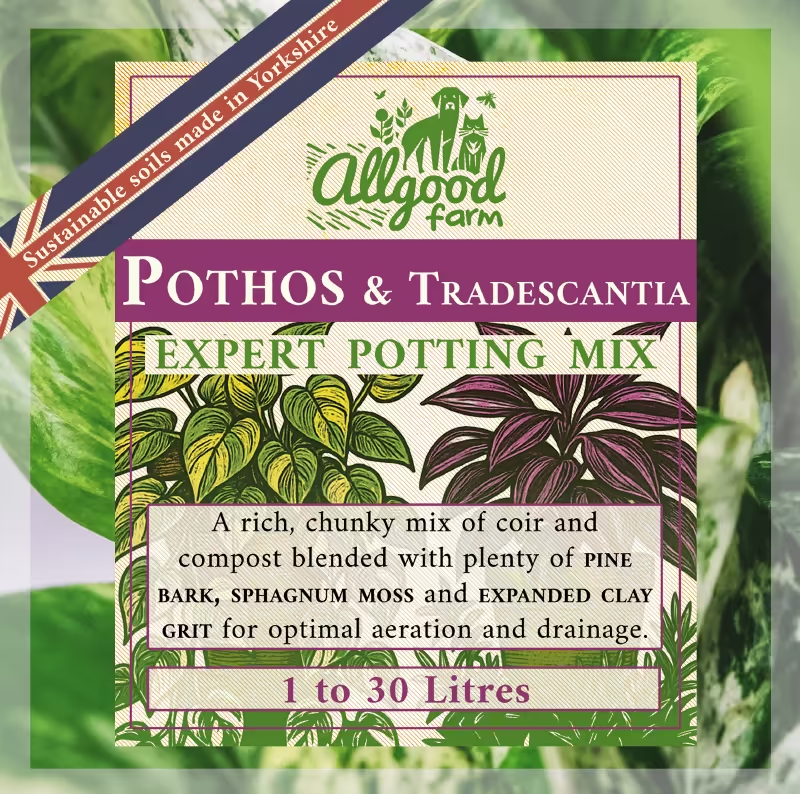
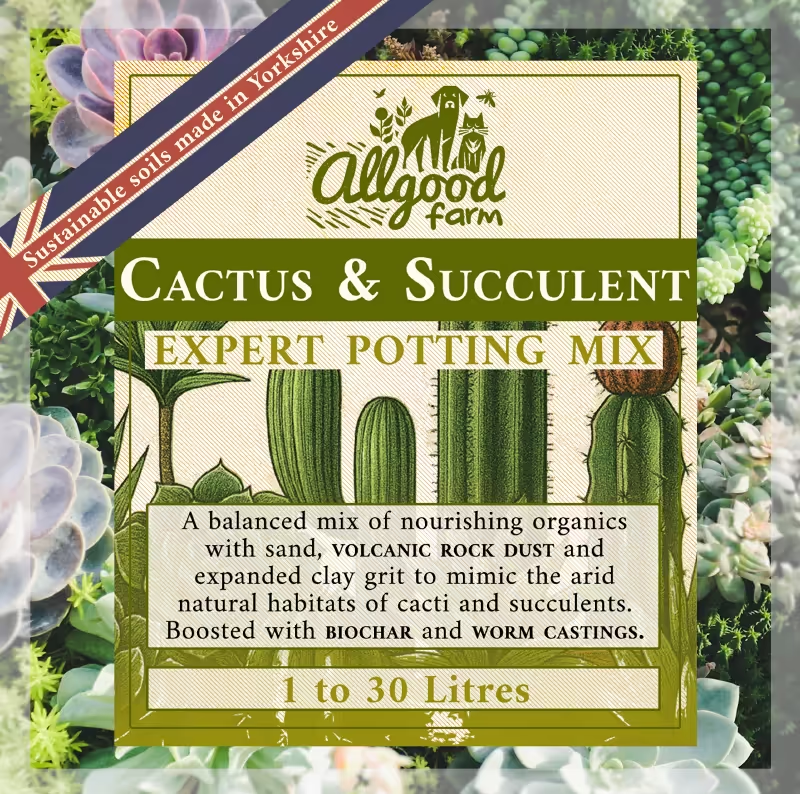
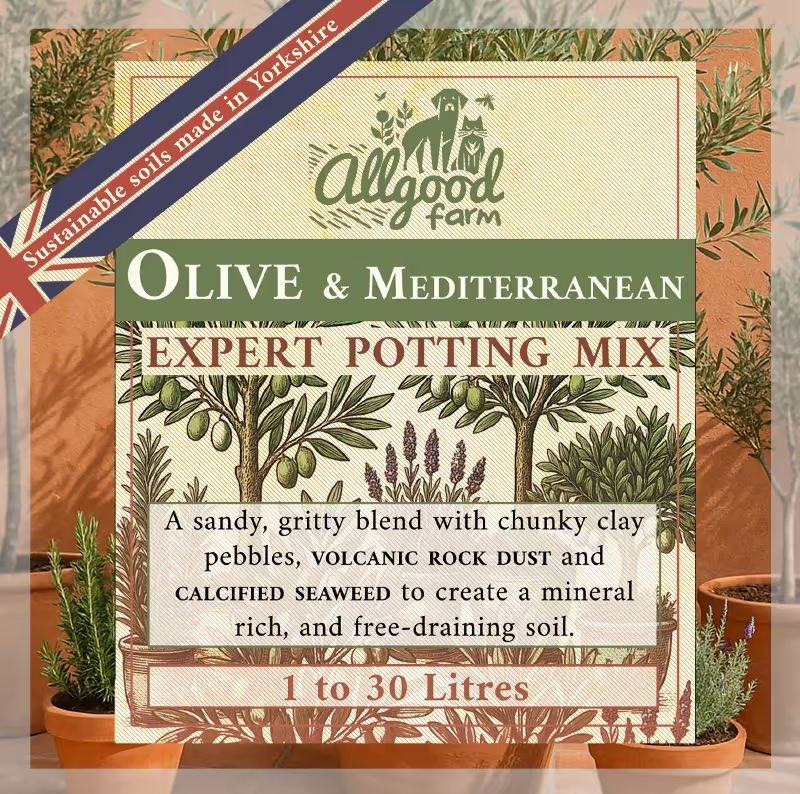
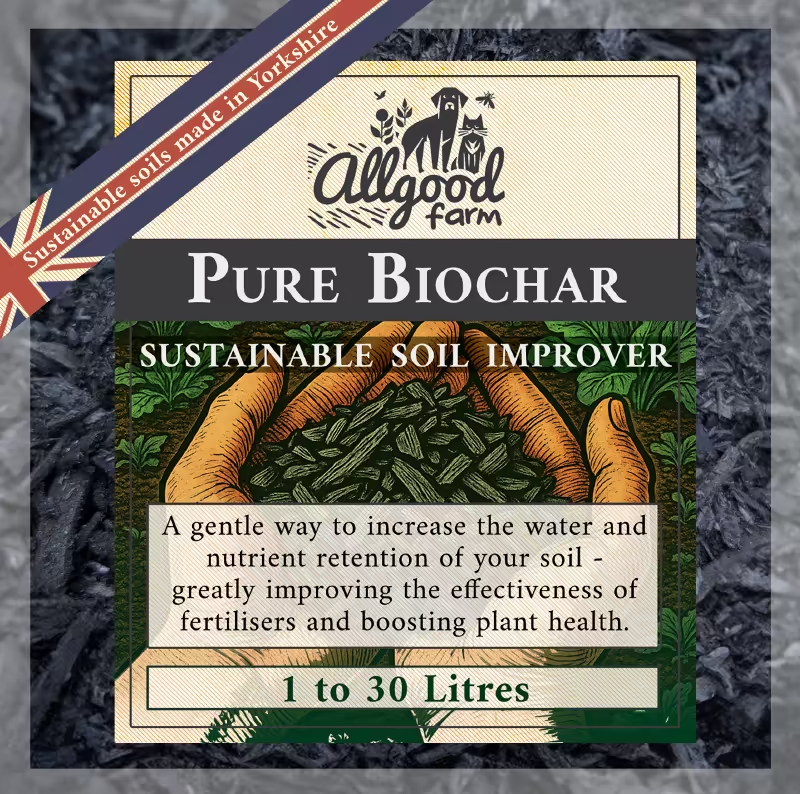
Different plants naturally prefer different balances, that’s why we have a wide range of expert potting mixes, each one designed to perfectly meet the needs of your houseplant.
When Should You Repot?
A newly purchased plant is already dealing with changes in temperature, humidity and light.
Allowing it a few weeks to settle into its new home often reduces stress.
Repotting becomes worthwhile when:
- Roots are circling the pot.
- Water runs straight through without soaking in.
- Growth slows despite good care.
- The soil has broken down and become compacted.

Repotting isn’t about moving into the biggest pot possible. Most plants prefer increasing just one pot size at a time.
Bigger pots aren’t always better. It seems logical that giving a plant more soil would help it grow, but oversized pots actually stay wetter for longer because there aren’t enough roots to absorb all that water.
If you think your plant might be ready for repotting, make sure to look at our helpful step-by-step repotting guide.
Water: The Routine of Houseplant Care
Water is essential for every aspect of a plant’s life. Learning how water moves through potting soil and how your plant uses it is one of the most valuable skills for any houseplant owner.
One of the biggest mistakes new plant owners make is treating care as a timetable.
Instead of asking:
“Is it Sunday? Time to water.”
Try asking:
“Does my plant actually need water?”
Plants Don’t Follow Calendars
Figuring out how to read the soil to decide what your plants need will really improve your houseplant skills.
Every plant is affected by:
- The amount of light it receives
- The temperature
- The humidity
- The size of the pot
- The time of year
- How actively it is growing
A plant on a bright windowsill in July might need watering twice as often as the same plant in a cool room during winter.

Learning to observe your plant will always be more reliable than following a schedule.
How to Tell If Your Plant Needs Water
Get to know the soil.
Instead of looking at your plant for signs that it’s thirsty, try looking at the soil instead.
Lift the pot and notice how heavy it feels when freshly watered compared to when it’s dry. Push a finger into the potting mix or simply look at the surface.
Many houseplants prefer the top few centimetres of soil to dry before being watered again.
It’s almost always better to underwater slightly than to keep the compost permanently wet.
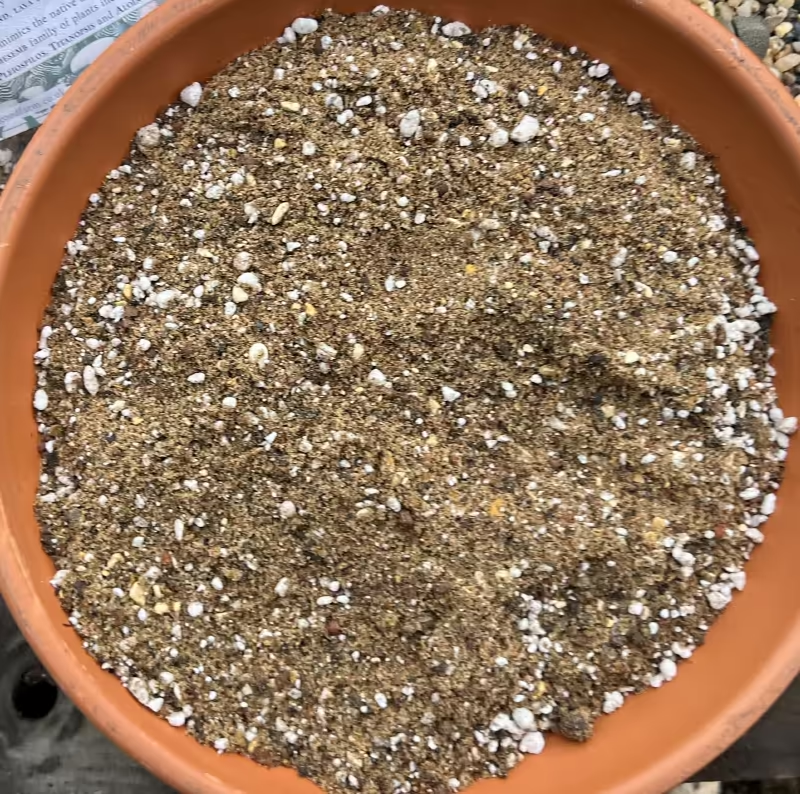
Roots need oxygen just as much as they need moisture. Constantly saturated soil can suffocate roots and lead to root rot.
What Happens If You Water Too Much?
People often imagine overwatered plants are getting “too much water.”

In reality, the problem is usually too little air.
Signs of overwatering include:
- Yellowing leaves
- Soft stems
- Mushy roots
- Fungus gnats
- Leaves dropping while the soil remains wet
Healthy roots live in tiny pockets of oxygen within the soil. When these spaces remain full of water for too long, roots struggle to function and may begin to die.
What Happens If You Don’t Water Enough?
Underwatered plants usually recover much more easily.
Common signs include:
- Drooping leaves
- Crispy brown edges
- Dry, shrinking soil
- A pot that feels unusually light
Many plants bounce back within hours of a thorough watering.

Houseplant Care is Easier Than You Think
Perhaps the most important lesson is that houseplants don’t need perfection.
They evolved to cope with changing conditions, missed rainstorms and damaged leaves long before they arrived in our homes.
The best plant owners are always the ones who pay attention. Watch your plants. Pick them up. Look at the leaves. Notice how the soil changes and how new growth appears through the seasons.
With a little observation and consistency, you’ll soon realise that caring for houseplants is really about understanding the living things you’re growing.
For help with specific varieties of houseplants, and answers to more houseplant care questions, check out our complete guides.



Leave a Reply