
They aren’t particularly hungry plants, but regularly feeding an olive tree can make a noticeable difference to their growth, foliage colour, and overall health.
In their natural Mediterranean habitat, olive trees often grow in relatively poor, rocky soils. They aren’t adapted to receiving huge amounts of nutrients all at once. Instead, they benefit from a steady supply of nutrients during their active growing season.
When to Feed an Olive Tree

The best time to fertilise an olive tree is during its active growing season.
From spring to mid-summer is when olives do most of their growing.
As daylight hours increase and temperatures rise, the tree naturally begins producing new roots, stems, and foliage. This is when it can make the best use of additional nutrients.
When Not to Feed
I generally stop feeding olive trees during autumn and winter.
During this period:
- Growth slows significantly
- Water uptake decreases
- Nutrient requirements are much lower
Adding fertiliser when the tree isn’t actively growing will cause salts to build up in the soil. This causes root burn, damaging the tree’s ability to get nutrients in the first place.

If your olive tree is sitting in a cool room and showing little or no growth, it’s usually best to wait until spring before feeding again.
Fresh Soil Provides Nutrients Too
Repotting is often overlooked as part of a feeding routine.
Fresh potting mix contains nutrients that help support growth, and mixes specialised to olive trees provide exactly the right nutrients for them to thrive.
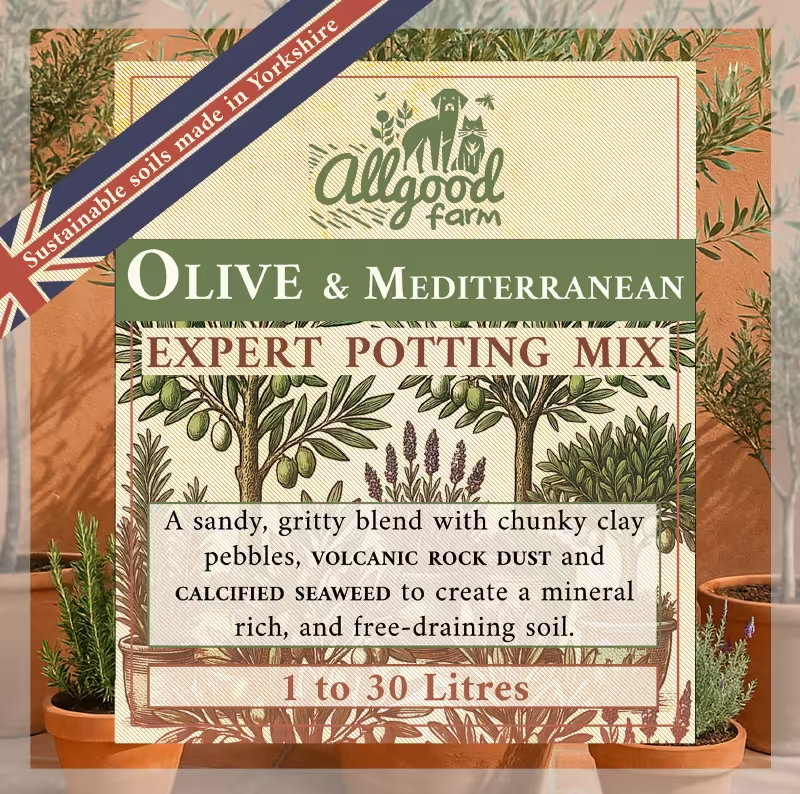
Our Expert Olive & Mediterranean Soil Mix is fortified with calcified seaweed to fully support all stages of growth.
This is why recently repotted olive trees often don’t need fertiliser.
If you’ve recently repotted your tree:
- Wait several weeks before feeding
- Allow the roots to settle first
- Focus on proper watering and light
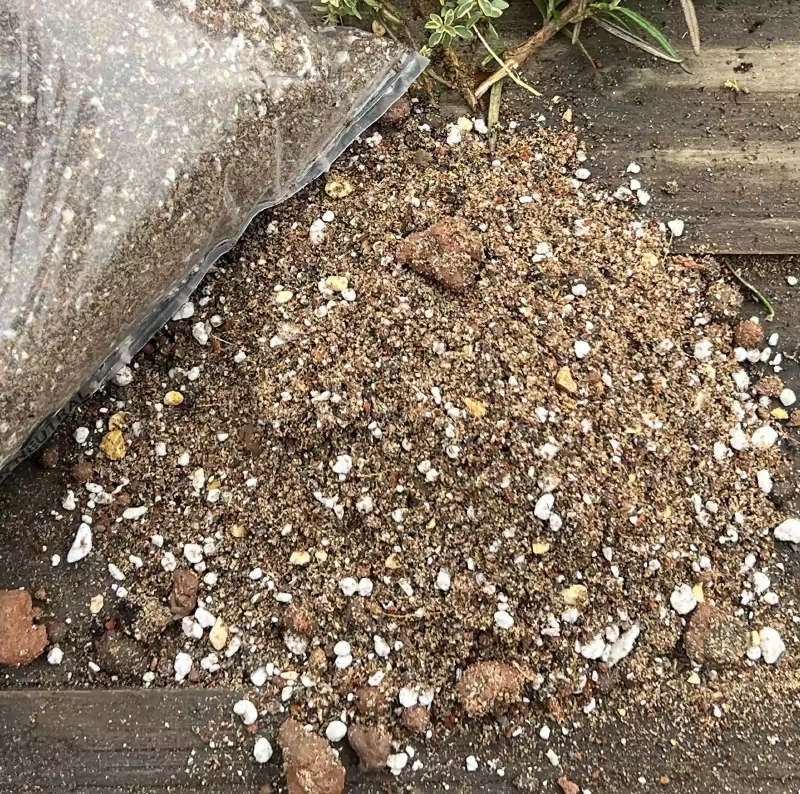
Giving the roots time to establish also helps avoid unnecessary stress on the plant. If you think your olive is due for a repot, take a look at our helpful repotting guide to get the most out of your tree.
Signs Your Olive Tree May Need Feeding

A nutrient-deficient olive tree may show:
- Pale green foliage
- Yellowing older leaves
- Weak growth
- Small new leaves
- Reduced growth during spring and summer
However, it’s important not to assume every problem is caused by a lack of fertiliser.
Many symptoms that look like nutrient deficiencies are actually caused by:
- Overwatering
- Poor drainage
- Insufficient light
Before reaching for the fertiliser, it’s always worth checking the growing conditions first.
Feeding Is Only Part of the Picture
Although fertiliser supports healthy growth, it’s not a substitute for other areas of plant care.
The healthiest olive trees usually have:
- Bright light
- Fast-draining soil
- Proper watering
Get these fundamentals right, and feeding becomes the finishing touch rather than the solution to ongoing problems.
A lightly fed olive tree growing in the right conditions will almost always outperform a heavily fertilised tree growing in poor ones.
Take a look at our complete olive tree care guide for everything you need for a thriving olive houseplant.



Leave a Reply