
Some houseplant potting mixes seem to dry remarkably quickly. Others can still feel wet several days after you’ve watered them. The amount of water you pour into the pot is only part of the reason.
The ingredients in a potting mix — and particularly the way those ingredients affect its structure — can make a big difference to how water moves through it.
The short answer
Potting soil drains better when its structure leaves enough space for water to move through the mix and air to reach the roots.
Understanding drainage
How drainage works in a potting mix
When you water a houseplant, some of that water is absorbed by the growing medium. The rest needs somewhere to go.
A well-structured potting mix contains spaces between its particles. Water can move through these spaces and eventually leave through the drainage holes in the bottom of the pot. As excess water drains away, air can move back into those spaces around the roots.
That balance between water and air is important. Roots need access to moisture, but they also need oxygen. If a growing medium stays completely saturated for long periods, there is less air available around the root system.
This is why drainage is about more than simply having a hole in the bottom of the pot. The structure of the material inside the pot matters too.

Inside the pot
Why the structure of the mix matters
Imagine filling one pot with very fine material and another with a mixture containing larger, irregular pieces.
The fine material can settle closely together. There may still be tiny spaces between the particles, but water tends to move through them more slowly. If the material compacts further over time, those spaces can become even smaller.
Coarser ingredients behave differently. Pieces of bark, perlite and similar materials interrupt the finer parts of the mix and help create larger gaps throughout it. Those gaps provide routes for excess water to travel through and allow air back into the growing medium afterwards.
Particle size is therefore an important part of drainage. However, bigger particles do not automatically make a mix better. Houseplants still need a growing medium that can hold enough moisture for their roots to use.
Ingredients
What helps potting soil drain better?
There is no single ingredient responsible for good drainage. Instead, different materials influence the way a potting mix holds water, retains its structure and allows air to circulate.
Bark
Bark adds relatively large, irregular pieces to a growing medium. These help stop the finer ingredients from packing together too tightly and create open spaces throughout the mix.
It is particularly useful in chunky mixes intended for plants that benefit from plenty of airflow around their roots.
Perlite
Perlite is lightweight and porous. When mixed through a growing medium, its particles help break up dense material and maintain spaces within the mix.
It is commonly used to improve both drainage and aeration without adding much weight to the pot.
Expanded clay
Expanded clay provides another coarse component. Mixed throughout a growing medium, the pieces can help maintain its physical structure and prevent finer ingredients from sitting together too densely.
As with other coarse materials, its usefulness comes from how it changes the overall structure of the mix rather than simply absorbing or repelling water.
Coir and other finer materials
Finer ingredients still have an important role. A potting mix made entirely from large pieces could drain extremely quickly and may not retain enough moisture for the plant.
Materials such as coir can help hold moisture within a mix. The aim is not necessarily to remove moisture-retentive ingredients, but to combine them with enough structural material for the particular plant being grown.
Add more structure
Aroid & Tropical Chunky Soil Boost
Pine bark, expanded clay pebbles, biochar and perlite add coarse material without replacing your existing growing medium.
Getting the balance right
Good drainage doesn’t mean drying out instantly
It is easy to assume that the fastest-draining potting mix must be the best one. In practice, good drainage is about balance.
A plant still needs access to water after you have finished watering it. If almost every drop runs straight through the pot and the growing medium dries immediately, the roots may not have enough opportunity to take up moisture.
Different houseplants also have different requirements. A mix suitable for a plant that prefers consistently moist conditions may contain more moisture-retentive material than one intended for a plant that is particularly sensitive to staying wet.
The environment matters as well. Warm temperatures, brighter light and increased airflow can all help a pot dry more quickly. During cooler, darker parts of the year, the same potting mix may remain damp for noticeably longer.
That is why drainage should not be considered in isolation. Pot size, pot material, temperature, light, airflow and your watering habits all affect how long moisture remains around the roots.
Practical fixes
What if your potting mix stays wet for too long?
If a houseplant’s growing medium regularly remains wet for much longer than you expect, first look at the whole situation rather than immediately changing the soil.
✓ Check that the pot has unobstructed drainage holes.
✓ Make sure the plant is not routinely left standing in drained water.
✓ Check the growing medium before watering again rather than following a fixed schedule.
✓ Consider whether lower light or cooler temperatures are slowing the drying process.
✓ Look at whether the mix has become very dense or compacted.
If the growing medium itself is the problem, adding suitable coarse material can change its structure. Alternatively, repotting into a mix designed for the plant may be the simpler option.
Be careful about making a mix excessively coarse simply because a pot is drying slowly. The goal is to create suitable conditions for the plant, not to make water disappear from the pot as quickly as possible.

Choosing your mix
How much drainage does your houseplant need?
There is no universal drainage level that suits every houseplant. The useful question is whether the potting mix provides the right balance of moisture and air for the plant you are growing.
Plants with thicker roots or those adapted to periods of drying may benefit from a more open growing medium. Many tropical aroids also grow well in structured mixes containing coarse ingredients, because their roots benefit from both moisture and airflow.
Other plants may prefer a mix that holds onto moisture for longer. In those cases, making the growing medium extremely chunky could create the opposite problem.
If you are altering an existing mix, make changes with the plant’s needs in mind. Our guide to mixing potting soil with compost explains more about how combining growing media can change their behaviour.
The takeaway
Better drainage starts with better structure
Good drainage is not simply about water escaping through the bottom of a flowerpot. It begins with the structure of the growing medium itself.
A mix containing a suitable balance of fine and coarse ingredients can hold useful moisture while leaving spaces for excess water to move through and air to return around the roots.
If your houseplant soil seems to stay wet for a very long time, look at its structure alongside the pot, environment and your watering routine. Sometimes the answer is to water less often. Sometimes the growing medium needs more structure. Often, it is a combination of several small factors.
Find the right mix
Potting mixes made for different houseplants
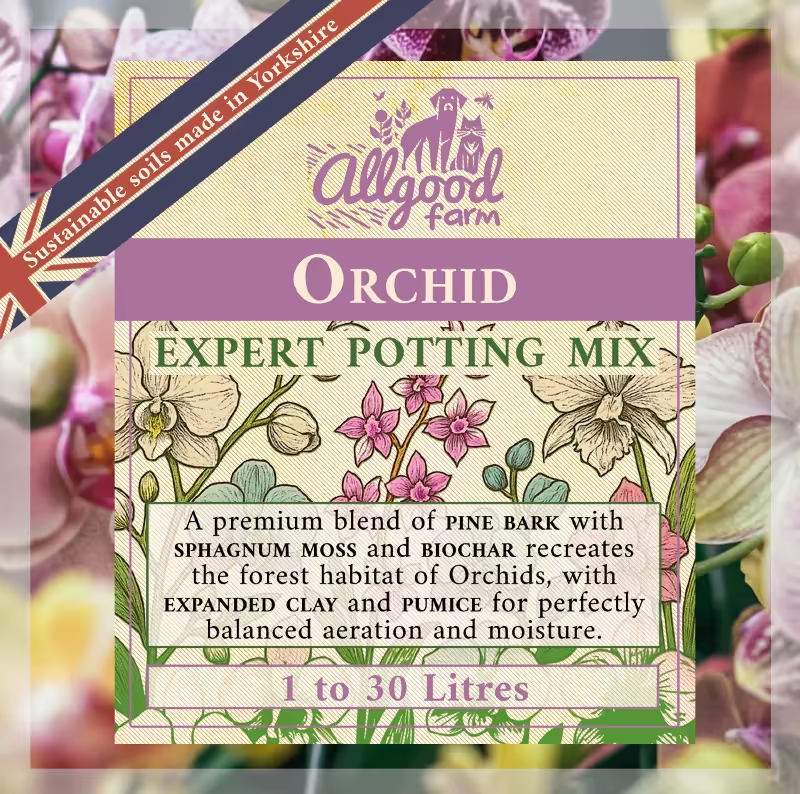
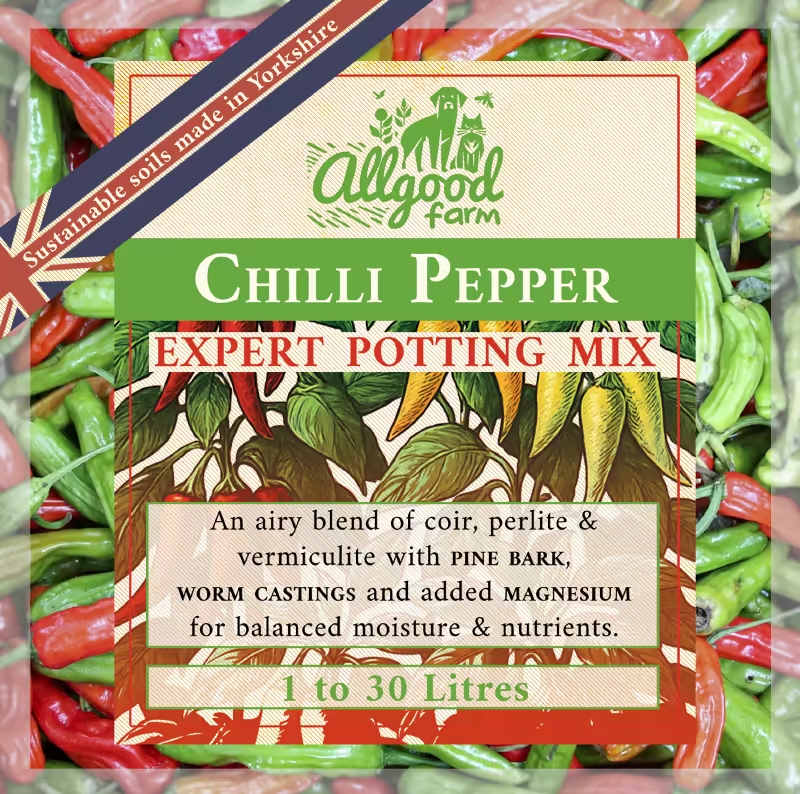
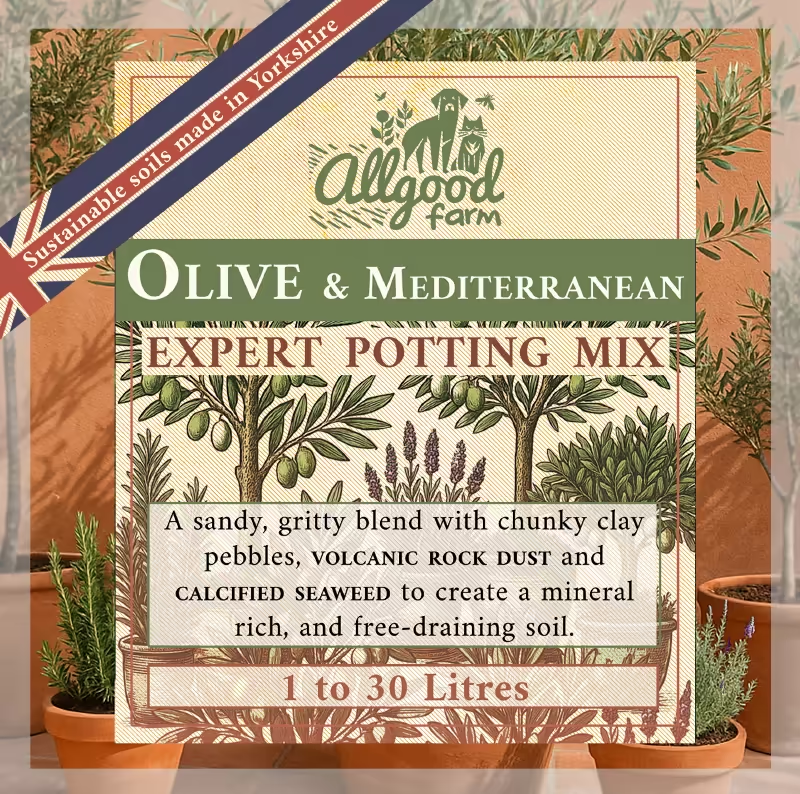
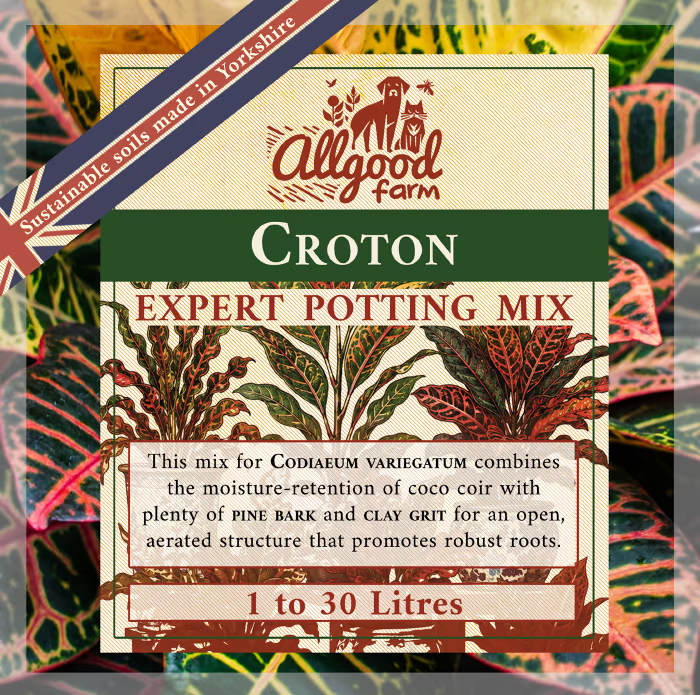
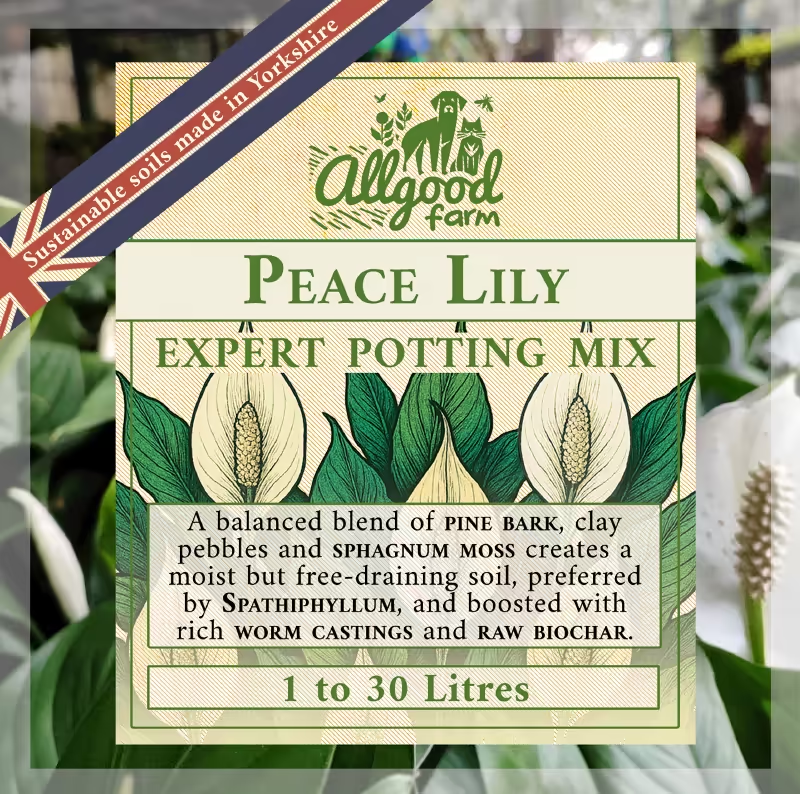
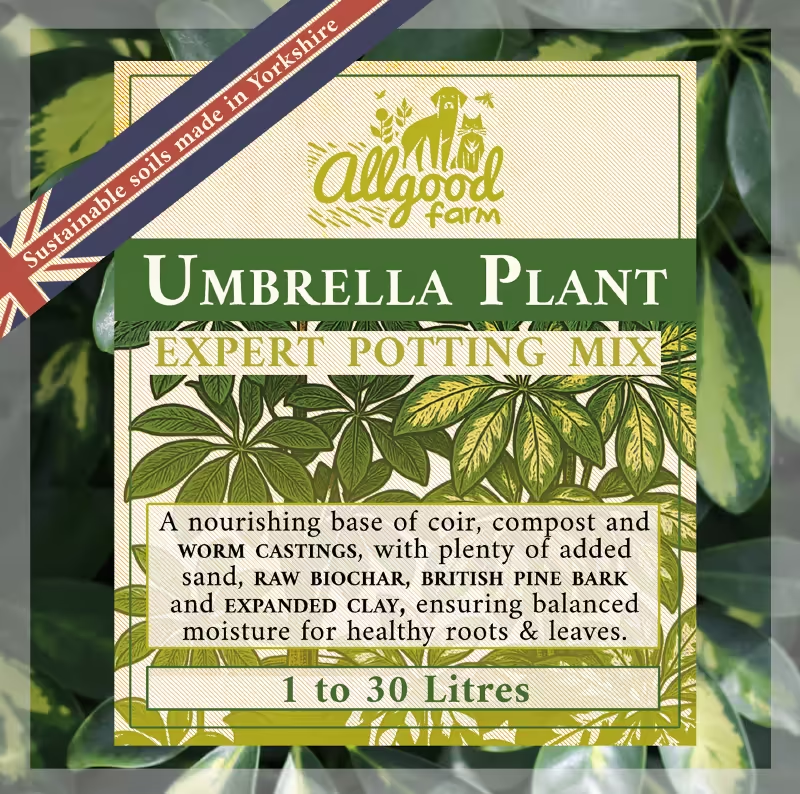
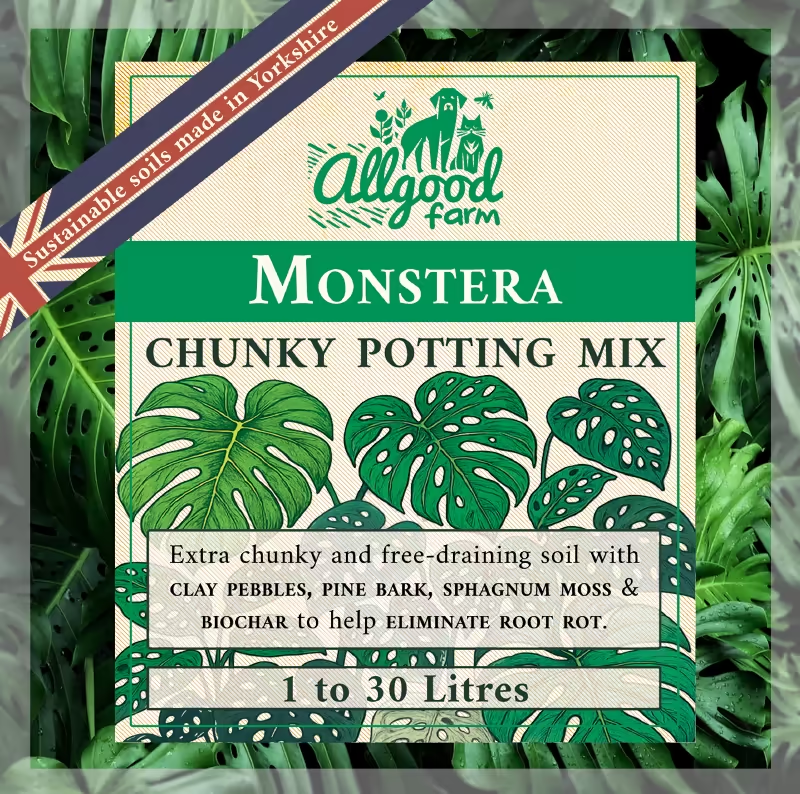
Explore the Allgood Farm range of specialist houseplant soil mixes.
Keep reading
More about potting soil
|
Can You Mix Potting Soil With Compost?When mixing the two works and how it changes the finished growing medium. |
Potting Soil vs CompostUnderstand the difference and what each term actually means for houseplants. |
Can You Reuse Potting Soil?How to assess old potting soil and decide whether it can be refreshed and reused. |


More from Allgood Farm
Follow us for more houseplant tips
Join Allgood Farm on Facebook for houseplant tips, new guides and more from us.

Leave a Reply