
A houseplant starts looking unhappy. Its leaves turn yellow, growth slows and the soil seems to stay wet for much longer than usual. You water it because it looks as though it is struggling — but instead of improving, it gets worse.
Root rot is one possible explanation. It develops below the surface, so the first signs you notice are often changes to the leaves and stems rather than the roots themselves.
The important thing is to work out what is happening before the damaged roots become too extensive.
The short answer
Houseplant root rot happens when roots begin to die and decay. It is commonly associated with roots remaining in excessively wet, poorly aerated growing conditions for too long.
Recognising the problem
What are the signs of root rot?
Root rot can be difficult to identify from the leaves alone. Several common houseplant problems can cause yellowing, wilting or poor growth, so none of these symptoms automatically means that the roots are rotting.
However, a combination of struggling growth and growing medium that remains persistently wet is worth investigating.
Possible signs include yellowing leaves, wilting despite damp soil, leaves dropping unexpectedly and a general decline in the plant. In more advanced cases, stems close to the soil may also become soft.
You might also notice an unpleasant smell coming from the potting mix. Again, this alone does not prove that the plant has root rot, but together with other symptoms it gives you a reason to inspect the roots.

Below the surface
What do rotten roots look like?
Healthy roots vary between plant species, so colour alone is not always enough to judge their condition. Many healthy roots are pale cream, white or light brown, while others can naturally be darker.
Texture is particularly useful. Healthy roots generally feel firm. Rotten roots tend to become soft, mushy or slimy and may break apart when handled. In badly affected areas, the outer material can sometimes pull away very easily.
If you suspect root rot, carefully remove the plant from its pot and look through the root system rather than judging it from a single root.
A plant can have both healthy and damaged roots at the same time. Finding some rotten roots does not necessarily mean that the entire root system has been lost.
Understanding the cause
What causes houseplant root rot?
Root rot is often described simply as the result of overwatering. That is useful shorthand, but it does not tell the whole story.
The real issue is the conditions around the roots.
Roots need both moisture and oxygen. When the growing medium remains saturated for prolonged periods, water fills many of the spaces that would otherwise contain air. Roots can become stressed and begin to die, creating conditions in which damaging microorganisms can become established.
Several things can contribute to this happening.
Watering too frequently
If you water again before the growing medium has dried sufficiently for that particular plant, it may remain continuously wet.
This is one reason fixed watering schedules can cause problems. A plant that needs water every few days during warm, bright weather may use water much more slowly during a cool, dark period.
Poor drainage
A pot without adequate drainage can leave excess water trapped around the roots. Even a pot with drainage holes can cause problems if they become obstructed or the plant is left standing in water inside a saucer or decorative outer pot.
Dense potting mix
The growing medium itself also matters. A very fine or compacted mix may contain fewer useful air spaces and can remain wet for longer.
Our guide to what makes potting soil drain better explains how ingredients and particle size influence the movement of water and air through a pot.
An oversized pot
Moving a small root system into a much larger volume of growing medium can also make moisture management more difficult. The plant may simply be unable to use the water held throughout the pot quickly enough.
Changes in growing conditions
Temperature, light and airflow affect how quickly water leaves a pot. Soil that dries comfortably during summer can remain damp considerably longer as conditions become cooler and darker.
Taking action
What should you do if your houseplant has root rot?
If you have good reason to suspect root rot, checking the root system gives you a much clearer picture of the problem.
✓ Carefully remove the plant from its pot.
✓ Gently remove enough growing medium to inspect the roots.
✓ Look for roots that are soft, mushy, slimy or clearly decaying.
✓ Remove badly rotten material using clean cutting tools.
✓ Repot into fresh, suitable growing medium in a pot with adequate drainage.
✓ Adjust your watering afterwards so the same conditions are not immediately recreated.
Try not to remove healthy roots unnecessarily. The plant needs the remaining healthy root system to recover, so the aim is to remove material that is clearly rotten rather than aggressively cutting everything back.
Clean tools are also important when cutting damaged roots. Wash your hands and clean your equipment before moving on to other plants.

After repotting
Can a houseplant recover from root rot?
Sometimes. The chances depend largely on how much of the healthy root system remains and how far the damage has progressed.
A plant with localised damage and plenty of firm, healthy roots has much more to work with than one whose entire root system has become soft and rotten.
Recovery may also take time. Damaged roots need to be replaced before the plant can return to vigorous growth, so do not expect an immediate transformation after repotting.
Give the plant conditions appropriate for its species and avoid trying to compensate with excessive water or fertiliser. A stressed root system needs time to recover.
Prevention
How can you prevent root rot?
There is no way to guarantee that a houseplant will never develop root problems, but good growing conditions make them less likely.
Start with a suitable potting mix and a container that allows excess water to escape. Check the growing medium rather than watering automatically because a certain number of days have passed.
Pay attention to seasonal changes too. Plants often use less water when temperatures fall or light levels drop, so a watering routine that worked perfectly in summer may need to change during winter.
Most importantly, think about drainage and watering together. A free-draining mix cannot compensate indefinitely for constant watering, while careful watering cannot always compensate for a dense growing medium that holds excessive water around the roots.
Improve soil structure
Aroid & Tropical Chunky Soil Boost
Pine bark, expanded clay pebbles, biochar and perlite add coarse material to an existing growing medium, helping to create a more open structure around the roots.
The takeaway
Root rot is easier to tackle when you catch it early
Yellow leaves or a wilting plant do not automatically mean root rot. However, when a struggling houseplant is sitting in growing medium that remains persistently wet, it is worth looking more closely.
Healthy roots need moisture, air and a growing medium suited to the plant. If some roots have already begun to rot, removing clearly damaged material and correcting the conditions that contributed to the problem can give the remaining healthy roots a better opportunity to recover.
And once the plant is repotted, resist the temptation to fuss over it constantly. Give it suitable conditions, watch how the growing medium behaves and allow the surviving root system time to do its job.
Start with the soil
Find a potting mix for your houseplant
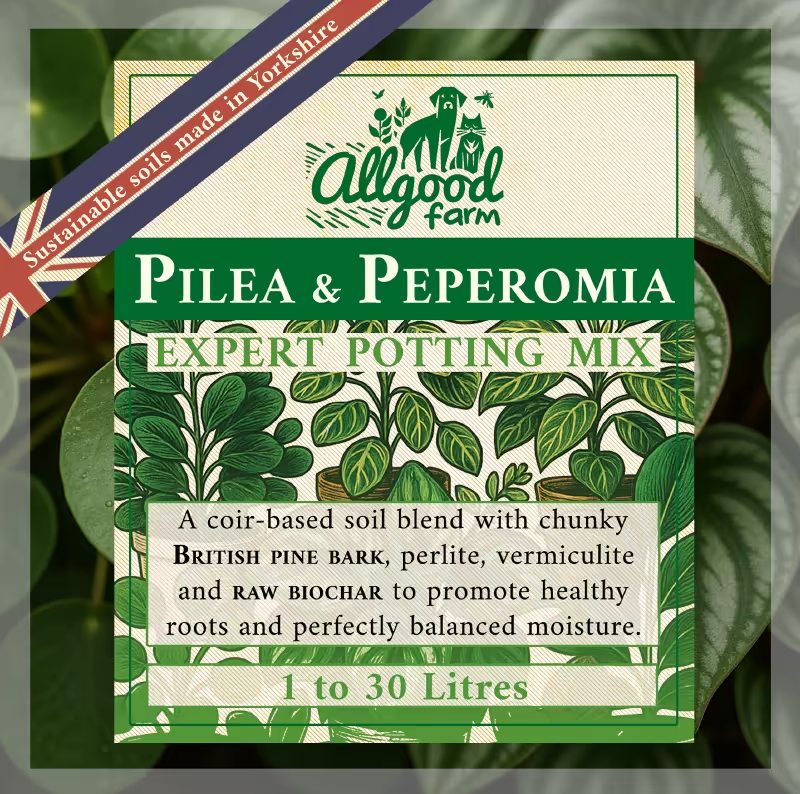
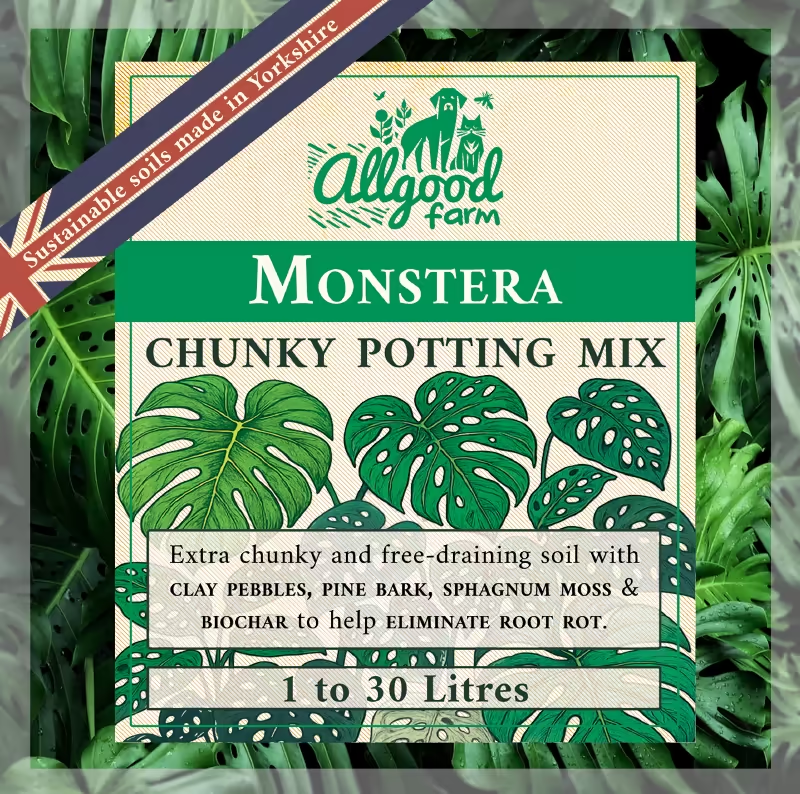
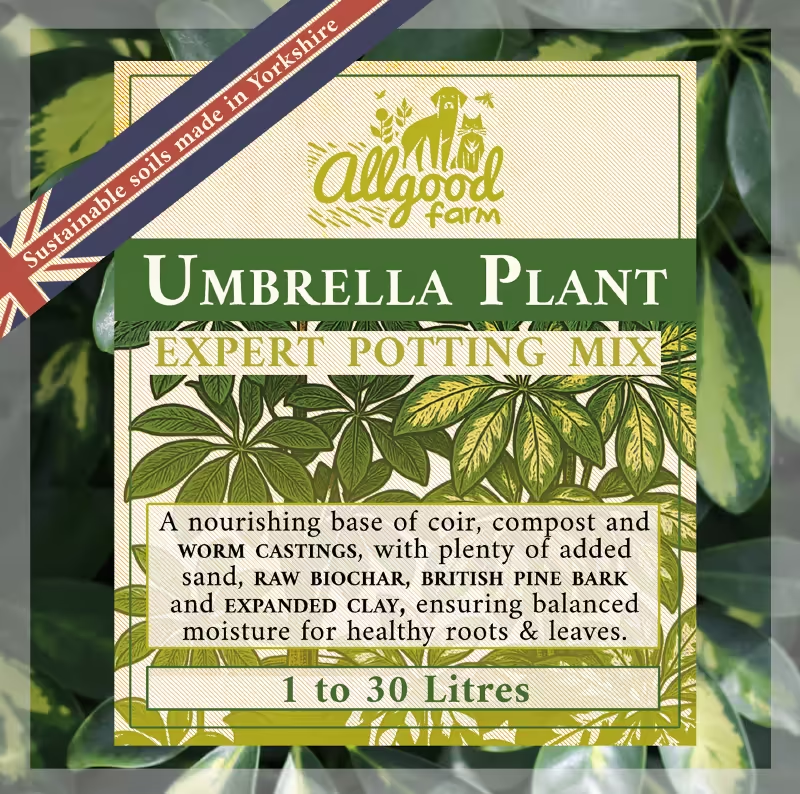
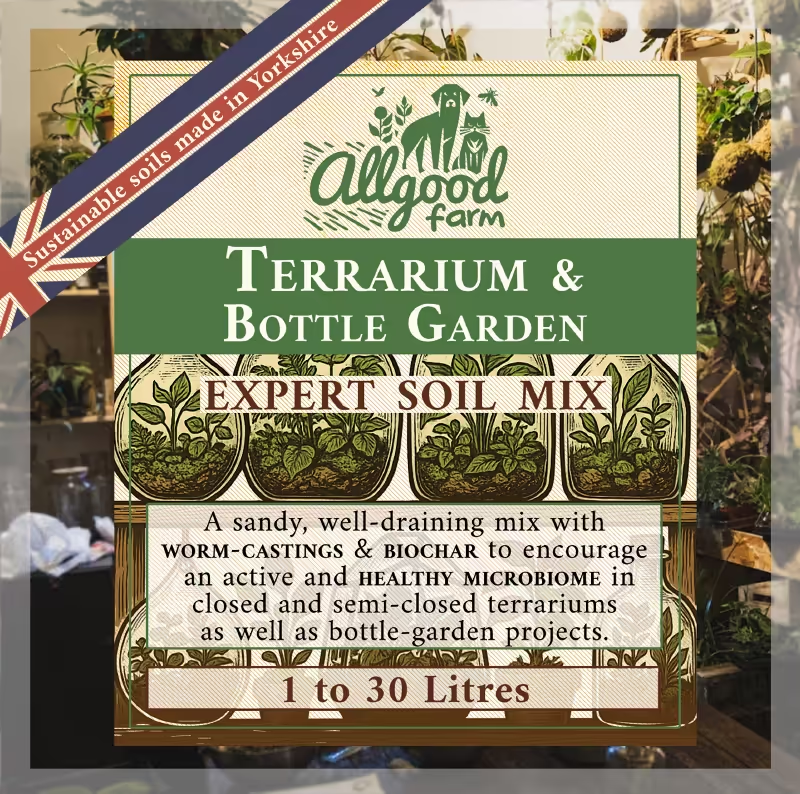
Explore the Allgood Farm range of specialist houseplant soil mixes.
Keep reading
More about healthy roots and soil
 What Makes Potting Soil Drain Better?How structure and ingredients affect the movement of water and air around plant roots. |
 Can You Mix Potting Soil With Compost?How combining growing media can change moisture retention, drainage and structure. |
 Can You Reuse Potting Soil?How to assess old growing medium and decide whether it can be safely reused. |
More from Allgood Farm
Follow us for more houseplant tips
Join Allgood Farm on Facebook for houseplant tips, new guides and more from us.


Leave a Reply